
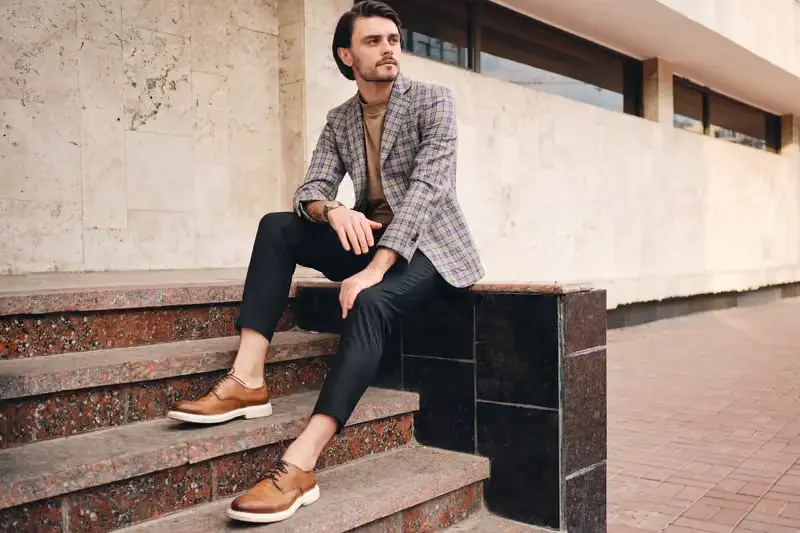
Men’s casual footwear has changed significantly in recent years. Shoes are no longer selected only for comfort or appearance. Modern lifestyles require footwear that can support different activities while maintaining a consistent sense of style. A pair worn for commuting may also need to suit a relaxed workplace, an informal meeting, or an evening with friends. This shift has encouraged brands to develop designs that combine practical construction with more refined aesthetics. Modern casual shoes often feature clean silhouettes, versatile colors, lightweight materials, and improved cushioning. They also bridge the gap between traditional sneakers and formal footwear. However, not every casual shoe offers the same flexibility. Some designs are better suited to relaxed activities, while others can complement smart-casual clothing. Understanding these differences helps men make better footwear decisions. The concept of casual shoes men daily wear focuses on selecting shoes that perform reliably throughout ordinary routines without compromising personal style. The best options combine adaptability, comfort, quality, and a design that remains useful beyond short-lived trends.
Key Characteristics That Define Modern Casual Footwear
Modern casual shoes are defined by a combination of appearance and functionality. Their designs usually avoid the strict structure of formal shoes while offering more refinement than basic athletic footwear. Clean lines, balanced proportions, subtle branding, and adaptable colors are common features. These details make shoes easier to coordinate with different clothing styles. Construction is equally important. Flexible soles, supportive footbeds, durable stitching, and breathable uppers can improve the experience of wearing shoes throughout the day. However, the presence of technical features does not automatically make a shoe suitable for everyone. Fit, foot shape, and intended use remain important. A versatile design should also work across several situations. For example, a simple leather sneaker may complement jeans during the weekend and chinos in a relaxed office. This adaptability gives modern casual footwear practical value. Men should therefore evaluate shoes by considering how they look, how they feel, and how well they fit into their existing routines. A balanced design is often more useful than a highly decorative pair with limited styling possibilities.
Popular Design Directions in Modern Men’s Casual Shoes
Contemporary casual footwear draws inspiration from several design traditions. Minimalist shoes remain popular because their understated appearance works with many outfits. Retro-inspired designs bring familiar shapes and details from earlier decades into modern wardrobes. Sport-inspired shoes use elements such as lightweight midsoles, flexible construction, and breathable materials. These directions offer different styling possibilities, but their usefulness depends on how they are designed. A shoe may look modern without being practical for everyday use. Excessive detailing, unusual proportions, or highly specific colors can limit its versatility. Men should identify which design direction matches their clothing preferences and daily activities. Someone who prefers simple outfits may benefit from minimalist footwear. A person who enjoys expressive streetwear may prefer retro sneakers with stronger visual details. Sport-inspired designs can suit active routines, provided they offer suitable support and durability. The objective is not to own every style. It is to select designs that provide enough flexibility to justify regular use.
Minimalist Profiles and Contemporary Retro Details
Minimalist casual shoes focus on simplicity. They often feature clean panels, limited branding, neutral colors, and streamlined shapes. These characteristics make them easy to combine with jeans, chinos, and tailored casual trousers. White, black, grey, beige, and navy are particularly useful because they coordinate with many wardrobe colors. Retro-inspired shoes take a different approach. They may include vintage paneling, classic rubber soles, textured overlays, or familiar athletic shapes. These details add character without necessarily making the shoes difficult to style. The best modern versions balance nostalgic design with updated comfort and construction. Men can choose between these directions based on personal taste. Minimalist shoes offer a quieter appearance, while retro designs provide more visual personality. Both can work for daily wear when their proportions and colors complement the rest of the outfit.
Sport-Inspired Shoes With Everyday Appeal
Sport-inspired casual shoes borrow design ideas from athletic footwear. Lightweight construction, cushioned midsoles, mesh panels, and flexible outsoles can make them comfortable for ordinary movement. Their appearance often suits jeans, joggers, shorts, and relaxed trousers. However, lifestyle sneakers should not automatically be treated as performance footwear. Shoes designed for casual walking may not provide the support, stability, or specialized construction required for running or demanding sports. Men should understand this distinction before purchasing. Consider the activities the shoes will support and choose a design with appropriate features. A sport-inspired pair can be a useful everyday option, but its practical value depends on its actual construction rather than its athletic appearance.
Choosing Shoes That Transition Between Casual and Smart-Casual Settings
One of the most useful qualities of modern casual footwear is its ability to move between different environments. Smart-casual settings usually require a more considered appearance than relaxed weekend clothing, but they do not demand traditional formal shoes. Leather sneakers, refined slip-ons, and understated casual shoes can fill this gap. Material and finishing make a significant difference. Smooth leather, subtle stitching, and simple shapes often appear more polished than heavily textured materials or oversized athletic designs. Color also influences versatility. Black, dark brown, navy, white, and muted earth tones can complement a wide range of clothing. A clean leather sneaker may work with dark jeans and a button-down shirt. A refined slip-on can complement chinos and a lightweight jacket. However, workplace expectations vary. Some environments welcome modern sneakers, while others maintain stricter dress standards. Men should consider the setting before relying on one pair for every occasion. The most versatile shoes are those that match the formality of the environment without appearing out of place.
Comfort Requirements for Long and Varied Daily Routines
Daily footwear needs to support more than short periods of walking. Commuting, standing, shopping, traveling, and moving between indoor and outdoor environments can place different demands on shoes. Comfort depends on several connected factors. Cushioning helps manage the impact of walking. Stability supports controlled movement, while flexibility allows the foot to move naturally. Breathable materials can also improve comfort by reducing heat and moisture. These features should work together rather than compete with one another. A very soft sole may feel comfortable initially but could lack the stability some people prefer. A highly structured shoe may provide support but feel restrictive if its shape does not match the foot. The most effective way to assess comfort is to try shoes on and walk in them. Pay attention to pressure around the toes, heel movement, and how the sole responds to each step. Men who spend long hours on their feet should prioritize fit and suitable support over appearance alone.
Matching Footwear Construction With Everyday Activities
Different routines require different footwear characteristics. Someone who walks frequently may benefit from lightweight shoes with responsive cushioning and a durable outsole. People who spend long periods standing may prefer a stable base and a comfortable footbed. Commuters who travel in changing weather should consider grip and material resistance. Breathable linings can help in warm conditions, while more protective uppers may be useful during rainy periods. Heel construction also deserves attention. The heel should remain secure without causing friction. Flexible soles are useful for natural movement, but excessive softness can reduce stability. The right combination depends on how the shoes will be used. Rather than choosing footwear based on a single advertised feature, evaluate the entire construction. This approach helps identify shoes that are genuinely suited to daily routines.
Material Innovation and the Move Toward Practical Durability
Materials influence the comfort, appearance, maintenance, and lifespan of casual shoes. Leather remains a popular choice because it can provide structure and a refined finish. With suitable care, quality leather footwear can remain useful for a long time. Suede offers a softer texture and works well with relaxed clothing, although it requires more careful cleaning. Canvas is lightweight and often suitable for warm-weather use. It provides a casual appearance but may offer limited protection against moisture. Synthetic materials vary widely in quality. Some are designed to provide flexibility, water resistance, or easy maintenance, while others may show wear more quickly. Engineered textiles can combine ventilation with lightweight construction. Material innovation has also encouraged manufacturers to explore recycled fibers and alternative materials. These options may reduce reliance on certain conventional resources, although environmental benefits depend on manufacturing methods, material composition, and product lifespan. Buyers should look beyond sustainability claims and consider durability, repairability, and maintenance requirements. A material that performs well in daily conditions may offer better long-term value than one chosen mainly for appearance.
Color, Shape, and Outfit Coordination for Everyday Versatility
Footwear should complement the proportions and colors of an outfit. Even a well-designed shoe can appear unsuitable when its shape conflicts with the clothing. Low-profile sneakers often work well with slim or straight-leg trousers because they create a balanced silhouette. Chunkier shoes may suit wider trousers and relaxed streetwear combinations. The goal is to maintain visual proportion rather than follow rigid rules. Color coordination offers another way to improve versatility. Neutral shoes can support multiple outfits and reduce the need for additional purchases. White sneakers can brighten dark clothing, while brown or tan footwear can complement earth tones and denim. Black shoes provide a more understated option for darker outfits. Distinctive colors and unusual designs can add personality, but they may require more careful coordination. Men should also consider the setting. A colorful sneaker may work well for casual social activities but appear distracting in a conservative workplace. Building a wardrobe around a few reliable colors creates more combinations and makes everyday dressing easier.
How to Assess Quality Before Buying Modern Casual Shoes
A careful inspection can help prevent disappointing purchases. Start with the upper material. It should feel appropriate for the shoe’s intended use and show consistent finishing. Check stitching around panels and areas that experience regular movement. Uneven seams, loose threads, and poorly attached components may indicate weak construction. Examine the sole as well. It should be securely attached and provide suitable grip for common walking surfaces. The interior deserves attention because rough seams or poorly finished linings can create discomfort. Fit should remain a priority throughout the evaluation. Allow enough room for the toes, check heel stability, and avoid shoes that create pressure around the sides. Try both shoes and walk for several minutes if possible. Sizing can vary between manufacturers, so do not rely entirely on the number printed inside the shoe. Price should also be considered in context. An expensive pair is not automatically durable, and a lower-priced option is not necessarily poor quality. Compare construction, comfort, material, and expected frequency of use. This provides a more realistic picture of value.
Building a Practical Footwear Rotation for Different Settings
A practical footwear rotation helps men cover different activities without buying unnecessary pairs. A minimalist sneaker can serve as a regular option for relaxed outfits. A leather sneaker or refined slip-on can support smart-casual environments. A sport-inspired shoe may be useful for active days, while casual boots can provide additional coverage in cooler conditions. The exact selection should reflect individual routines. Someone working in a relaxed office may need more than one polished casual option. Someone who spends most of the day walking may prioritize supportive everyday shoes. Budget also influences the ideal collection. Instead of buying several similar pairs, focus on footwear that serves distinct purposes. Rotating between shoes allows materials to recover from regular use and can reduce wear. It also makes it easier to keep each pair clean and in good condition. A small collection of complementary designs often offers more practical value than a large collection of footwear with overlapping uses.
Mistakes That Reduce the Versatility of Casual Footwear
Some buying decisions limit the usefulness of casual shoes. Choosing a highly trend-driven design may create styling difficulties once the trend loses popularity. Selecting shoes with unsuitable materials can also lead to problems in particular weather conditions. Another common mistake is ignoring fit because a shoe looks attractive. Discomfort can affect daily movement and make footwear unsuitable for regular use. Men may also purchase shoes without considering their existing wardrobe. A distinctive pair can be appealing, but limited outfit combinations reduce its practical value. Overlooking workplace expectations can create similar problems. Not every casual shoe is appropriate for every smart-casual environment. Before buying, consider where the shoes will be worn, which outfits they will complement, and how much maintenance they require. These questions help separate useful footwear from purchases driven mainly by impulse.
Conclusion
Modern casual footwear combines contemporary design with practical features that support everyday routines. Minimalist sneakers, retro-inspired styles, sport-influenced designs, refined slip-ons, and leather options each offer different advantages. The right choice depends on personal style, comfort requirements, clothing preferences, and the environments where the shoes will be worn. Men should pay close attention to fit, materials, sole construction, and durability rather than focusing only on appearance. A carefully planned footwear rotation can support casual activities and smart-casual settings without unnecessary spending. Ultimately, the best casual shoes are those that feel comfortable, complement different outfits, and remain dependable through regular use. By prioritizing versatility and quality, men can make footwear choices that suit modern daily life.