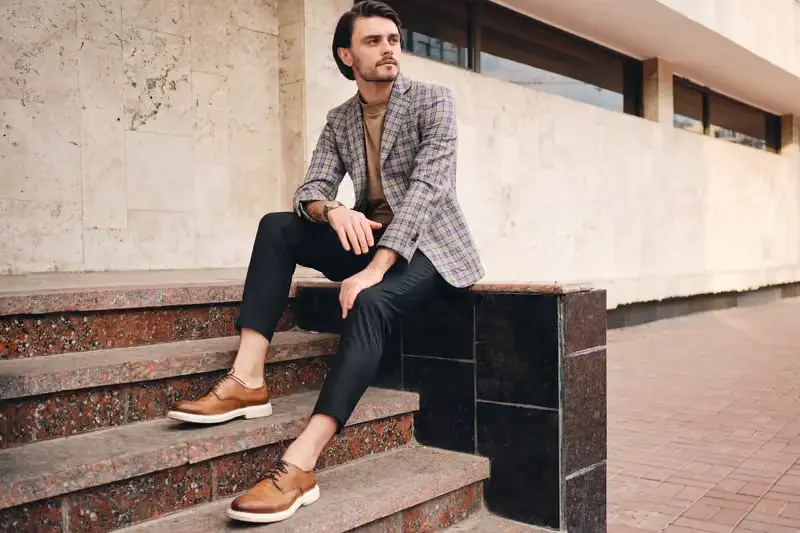
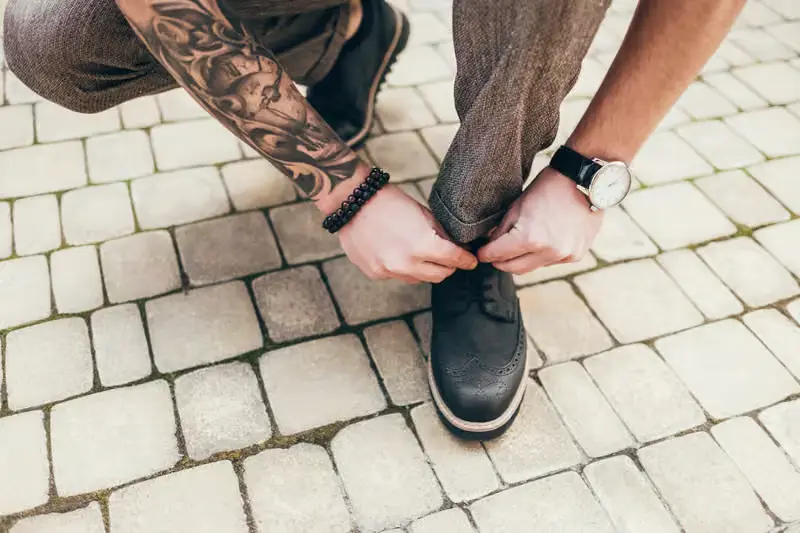
Casual shoes are among the most frequently worn items in a man’s wardrobe. They support daily activities, complement different outfits, and influence overall appearance. Whether walking through the city, commuting to work, meeting friends, or spending a relaxed weekend outdoors, the right footwear makes everyday movement more comfortable. Modern casual shoes also offer more variety than ever. Traditional sneakers now sit alongside loafers, slip-ons, casual boots, and minimalist leather designs. Many styles combine attractive details with technical features such as cushioned midsoles, breathable uppers, and flexible outsoles. However, choosing the right pair requires more than following current trends. Fit, construction, material quality, and intended use all affect long-term satisfaction. This casual shoes men style guide explores how to evaluate everyday footwear from both practical and stylistic perspectives. It explains the main shoe categories, the technology behind comfort, and the decisions that help build a versatile footwear collection.
Understanding the Main Types of Casual Shoes for Men
Different casual shoe designs serve different purposes. Sneakers are popular because they combine relaxed styling with everyday versatility. Loafers offer a cleaner appearance and can work in both casual and smart-casual settings. Slip-on shoes provide convenience for people who prefer footwear that is easy to put on and remove. Casual boots offer additional coverage and a stronger visual presence. Minimalist leather shoes provide another option for men who want something more refined than traditional sports-inspired footwear. These categories are not defined by appearance alone. Their construction, materials, weight, and sole design influence where they perform best. A lightweight canvas shoe may suit warm-weather activities but offer limited protection in wet conditions. A leather sneaker may provide a more polished appearance while remaining suitable for regular use. The most useful choice depends on lifestyle. Someone who walks extensively may prioritize cushioning and stability. Someone who spends time in a business-casual environment may prefer leather sneakers or loafers. Understanding these differences prevents buying shoes that look attractive but rarely suit actual daily needs.
Sneakers, Loafers, and Slip-On Shoes
Sneakers remain a practical foundation for everyday footwear. Their flexible construction and varied designs make them suitable for jeans, chinos, shorts, and relaxed trousers. Minimalist sneakers in white, black, grey, or navy are especially versatile because they complement many colors. Loafers provide a different balance. Their structured shape can make casual clothing appear more polished without requiring formal footwear. Suede loafers, for example, work well with chinos and lightweight trousers. Leather versions can also complement smart-casual outfits. Slip-on shoes are useful when convenience is a priority. They often have flexible uppers and simple closures, making them suitable for relaxed routines. However, buyers should check heel security and overall support. A shoe that slips during walking may cause discomfort even if it feels convenient at first.
Casual Boots and Minimalist Leather Shoes
Casual boots offer a practical option when additional coverage and structure are useful. Chukka boots, desert boots, and other low-profile designs can work with denim, chinos, and heavier casual trousers. Their suitability depends on the sole, upper material, and weather conditions. Minimalist leather shoes provide a more understated alternative. Their clean lines and limited decorative details make them easy to combine with smart-casual clothing. These styles are useful when traditional sneakers appear too relaxed but formal dress shoes feel excessive. Leather quality and construction deserve attention because they influence durability, flexibility, and maintenance requirements.
Matching Casual Shoes With Different Clothing Styles
Footwear can change the character of an outfit. The same jeans and shirt may look relaxed with canvas sneakers but more refined with leather loafers. Choosing shoes should therefore involve considering the entire clothing combination rather than treating footwear as a separate purchase. Jeans offer one of the easiest starting points. White sneakers, suede loafers, and casual boots can all work, depending on the desired appearance. Slim or straight-leg jeans often pair well with low-profile shoes, while wider trousers may need footwear with enough visual weight to maintain balance. Chinos provide more flexibility for smart-casual styling. Leather sneakers and loafers can create a neat appearance, while casual boots introduce a slightly stronger look. Shorts usually work best with lightweight sneakers, canvas shoes, or suitable slip-ons. The shoe should not appear unnecessarily heavy compared with the rest of the outfit. Color coordination also matters. Neutral footwear is easy to combine with different clothing colors. Brown, tan, navy, white, and black can support a versatile wardrobe. More distinctive colors can add personality, but they may require greater planning. A useful approach is to select shoes that complement several existing outfits instead of purchasing a pair for only one specific combination.
Comfort Technology Behind Modern Everyday Footwear
Modern casual footwear uses different technologies to improve comfort and support. These features matter because everyday shoes may remain on the feet for several hours. Cushioning systems help reduce the impact associated with walking on hard surfaces. Supportive footbeds can improve the feeling of stability, while flexible outsoles allow more natural movement. Breathable uppers help manage heat and moisture. However, technical features should not be treated as automatic guarantees of comfort. A heavily cushioned shoe may still feel unsuitable if its shape does not match the wearer’s foot. Similarly, a flexible sole may not provide enough stability for someone who needs firmer support. Comfort depends on how different components work together. Buyers should consider the intended activity, walking duration, surface conditions, and personal fit requirements. A shoe designed for short casual outings may not perform as well during a full day of walking. Evaluating these differences helps prevent relying on marketing descriptions instead of actual performance.
Cushioning Systems and Supportive Footbeds
Midsoles play an important role in how casual shoes feel during movement. Foam materials are commonly used to provide cushioning and reduce the sensation of impact. Some designs use softer foam for a more comfortable step, while others use firmer compounds to provide a stable platform. Neither approach is ideal for everyone. Excessively soft cushioning may feel comfortable initially but can lack the stability some wearers prefer. Removable footbeds offer another useful feature. They allow users to replace the original insole when it becomes worn or when a different footbed is needed. Arch support can also influence comfort, although the appropriate level varies between individuals. Buyers should assess whether the shoe supports their foot naturally rather than assuming that more support is always better. The heel should remain secure, and the forefoot should have enough room for natural movement. These factors are especially important for people who spend long periods standing or walking.
Breathable Materials and Flexible Construction
Breathability helps manage heat and moisture inside footwear. Mesh panels and lightweight textiles can improve airflow, making them useful in warmer conditions. Canvas offers a casual appearance and can feel comfortable during relaxed activities, although it may provide limited weather protection. Leather can offer durability and a more structured fit, but its breathability depends on the type of leather, lining, and overall construction. Flexible soles also influence everyday comfort. They allow the foot to move more naturally during walking. However, flexibility should not come at the expense of stability or durability. A well-designed shoe balances movement with sufficient structure. Buyers should also consider internal seams, lining materials, and tongue construction. Small pressure points may become noticeable after several hours of wear. Trying shoes on and walking in them provides a more reliable assessment than judging their appearance alone.
Selecting the Right Materials for Durability and Seasonal Use
Material selection affects how casual shoes look, feel, and age. Leather is often chosen for its structured appearance and potential longevity. With appropriate care, quality leather footwear can remain useful for years. It may also develop a distinctive appearance over time. Suede offers a softer texture and works well with relaxed outfits, but it requires more careful maintenance because moisture and stains can affect its surface. Canvas is lightweight and suitable for casual warm-weather use. It is often easier to wear during informal activities, although it may not provide the same structure as leather. Synthetic materials vary considerably. Some offer water resistance, flexibility, and easy cleaning, while others may have limited durability. Performance textiles can combine lightweight construction with ventilation, making them useful for active routines. Seasonal requirements should guide material choices. Breathable fabrics may be preferable during hot weather, while treated leather or water-resistant materials can be more practical in rainy conditions. No material is perfect for every environment. Consider local weather, expected use, maintenance effort, and replacement costs before choosing a pair.
Evaluating Fit, Sizing, and Footwear Construction
A good-looking shoe is not a good purchase if it causes discomfort. Fit should be one of the first factors to evaluate. The toes need enough space to move without pressing against the front or sides. The heel should remain reasonably secure without rubbing. The shoe should also match the width and shape of the foot. Sizing can vary between brands and even between different models from the same manufacturer. This makes it important to assess each pair individually rather than relying entirely on a familiar size. Feet can also change slightly throughout the day, so trying shoes later in the day may provide a more realistic fit assessment. Wear the type of socks normally used with the footwear and walk around before making a decision. Construction quality deserves similar attention. Check stitching, sole attachment, lining, and the way different materials meet. Uneven seams or weak bonding may indicate potential durability problems. The outsole should provide suitable grip for the surfaces where the shoes will be used. These details may seem minor during a quick purchase, but they can influence performance over time.
Building a Versatile Casual Shoe Collection
A useful footwear collection does not need to contain dozens of pairs. A few carefully selected styles can cover most everyday situations. Neutral sneakers can serve as a regular option for casual clothing. A pair of loafers or minimalist leather shoes can support smarter combinations. Casual boots may provide additional versatility during cooler or wetter conditions. The right selection depends on lifestyle. Someone who works in a relaxed office may need more polished casual shoes, while someone with an active routine may benefit from lightweight sneakers with reliable cushioning. Budget planning is also important. Instead of buying several inexpensive pairs that wear out quickly, consider investing in fewer options with better construction. This does not mean choosing the most expensive shoes available. The objective is to find a reasonable balance between price, quality, comfort, and expected use. Think about cost per wear rather than purchase price alone. A well-made pair used several times each week may offer better value than a distinctive pair worn only occasionally. Before buying, consider whether the shoes work with existing clothing and whether they fill a genuine gap in the collection.
Common Casual Shoe Buying Mistakes and How to Avoid Them
One frequent mistake is choosing appearance over fit. Attractive designs can create an immediate impression, but discomfort often becomes more noticeable after extended use. Another mistake is assuming that expensive footwear always offers better performance. Price can reflect branding, design, or materials, but it does not guarantee suitable construction or comfort. Buyers should assess the actual features and quality of each pair. Ignoring intended use can also lead to poor decisions. Lightweight canvas shoes may not be suitable for frequent wet-weather walking, while heavy boots may feel unnecessary for hot conditions. Buying the wrong size in the hope that shoes will stretch is another risk. Some materials adapt slightly with use, but significant pressure or heel movement should not be ignored. Finally, following every footwear trend can create unnecessary spending. Choose styles that fit personal preferences and everyday requirements. A practical purchase should solve a real wardrobe need rather than simply respond to temporary fashion pressure.
Maintaining Casual Shoes to Extend Their Lifespan
Regular maintenance helps preserve appearance and performance. Cleaning methods should match the shoe material. Canvas may tolerate gentle cleaning, while leather usually requires suitable products that protect its surface. Suede should be cleaned with appropriate brushes and treated carefully to avoid damaging its texture. Wet shoes should dry naturally in a ventilated area. Direct heat can damage adhesives, leather, and other materials. Using shoe trees or maintaining the shape of leather footwear can also help reduce creasing. Storage matters as well. Keep shoes in a dry location and avoid leaving them exposed to excessive sunlight or moisture. Rotating between pairs gives materials time to recover from regular use and can reduce unnecessary wear. Inspect soles, stitching, and internal linings periodically. Early repairs may prevent minor problems from becoming reasons for replacement. Good maintenance does not make footwear last forever, but it can improve its usable lifespan and protect the value of the original purchase.
Conclusion
The best casual shoes combine suitable design, reliable comfort, appropriate materials, and durable construction. Men should consider their daily activities, clothing preferences, climate, and walking requirements before choosing footwear. Sneakers, loafers, slip-ons, boots, and minimalist leather shoes each offer different advantages. Comfort technology can improve everyday use, but proper fit remains essential. A versatile collection should prioritize useful styles that work with several outfits rather than temporary trends. Careful buying decisions and regular maintenance also help extend the life of each pair. Ultimately, choosing casual footwear is about finding the right balance between appearance and performance. When style supports comfort and practical needs, everyday shoes become a dependable part of a well-planned wardrobe.