Fashion trends offer fresh ideas, but incorporating them into everyday clothing requires more than buying popular pieces. The real skill lies in adapting new influences to personal preferences, existing garments, and daily activities. A fashionable outfit should feel current without appearing forced. It should also provide comfort, flexibility, and a clear sense of individual identity.Trend styling connects seasonal inspiration with practical wardrobe decisions. It helps people experiment with silhouettes, colors, textures, and accessories while maintaining a consistent appearance. Without a thoughtful approach, however, following every new trend can lead to unnecessary purchases and outfits that feel disconnected.The goal is not to recreate runway looks exactly. It is to identify useful fashion elements and interpret them in ways that suit individual lifestyles. By understanding trend styling wardrobe outfits, consumers can build combinations that look contemporary, remain functional, and offer value beyond a single fashion season.
Understanding Which Fashion Trends Deserve a Place in Your Wardrobe
Fashion trends emerge through several channels. Runway collections introduce new silhouettes and creative ideas, while street style shows how people adapt them to everyday clothing. Social media accelerates this process by spreading styling inspiration across different communities. Celebrity outfits, fashion publications, and independent designers also influence what becomes popular.However, popularity alone does not make a trend suitable for every wardrobe. Some styles remain relevant for several seasons, while others disappear quickly. Before adopting a trend, consider whether it complements your existing clothing, fits your lifestyle, and offers enough styling opportunities.A useful approach is to separate trends into three groups. The first includes practical updates, such as new denim cuts or updated neutral colors. The second includes expressive pieces, such as statement jackets or distinctive accessories. The third includes experimental trends that may only suit specific occasions. This classification helps control spending and makes outfit planning easier.You should also consider climate and daily activities. Lightweight fabrics may work well in warmer conditions, while structured outerwear and layering pieces are more useful in colder seasons. A trend that looks attractive in an editorial photograph may not be practical for regular wear.
Identifying Trends That Match Your Personal Aesthetic
Personal style provides a filter for deciding which trends deserve attention. Start by reviewing the clothes you wear most often. Notice your preferred colors, silhouettes, fabrics, and levels of formality. These patterns reveal the visual direction you naturally enjoy.For example, someone who prefers minimal clothing may adapt a bold trend through one distinctive accessory. A person who enjoys expressive fashion may combine multiple colors or textures while keeping the overall silhouette balanced.Create a small collection of styling references that reflect your preferences. Look for repeated details rather than copying complete outfits. You may discover that you consistently prefer structured jackets, relaxed trousers, simple footwear, or layered accessories. These observations can guide future purchases.Personal style can evolve, so this process should remain flexible. The purpose is not to limit experimentation. It is to make sure new fashion influences strengthen rather than replace your existing identity.
Creating a Functional Wardrobe Around Modern Fashion Influences
Wardrobe integration is the process of connecting new fashion pieces with clothing you already own. It prevents every trend from becoming a separate styling project. Instead of building outfits around individual purchases, you create combinations that work together.A functional wardrobe needs a mixture of essential garments and expressive pieces. Basics provide structure, while trend-led items introduce variety. A simple outfit can become more contemporary through updated footwear, a statement bag, or a different jacket shape.Neutral clothing is particularly useful because it supports experimentation. Black, white, beige, navy, gray, and other versatile shades can work with stronger seasonal colors. This makes it easier to introduce new trends without replacing several existing garments.Before purchasing anything, consider at least three possible outfits that include the item. If it works with only one specific combination, it may have limited practical value. This simple test encourages more intentional decisions.
Building a Flexible Foundation With Essential Clothing Pieces
Wardrobe essentials create the foundation for reliable outfit building. Well-fitting jeans, tailored trousers, simple tops, versatile dresses, and practical outerwear can support many different looks. Their value comes from adaptability rather than novelty.Fit should be a priority. Even an expensive garment can look unsuitable if its proportions do not complement the wearer. Pay attention to shoulder placement, sleeve length, waist position, trouser length, and overall movement.Fabric quality also affects versatility. Materials that maintain their shape and appearance after regular wear are usually better investments. Check stitching, seams, fastenings, and care requirements before purchasing.Footwear deserves similar attention. A collection of comfortable everyday shoes, versatile formal options, and one or two statement designs can support different outfit styles. When essentials work together, adding seasonal trends becomes much easier.
Developing Balanced Outfits Through Shape, Proportion, and Layering
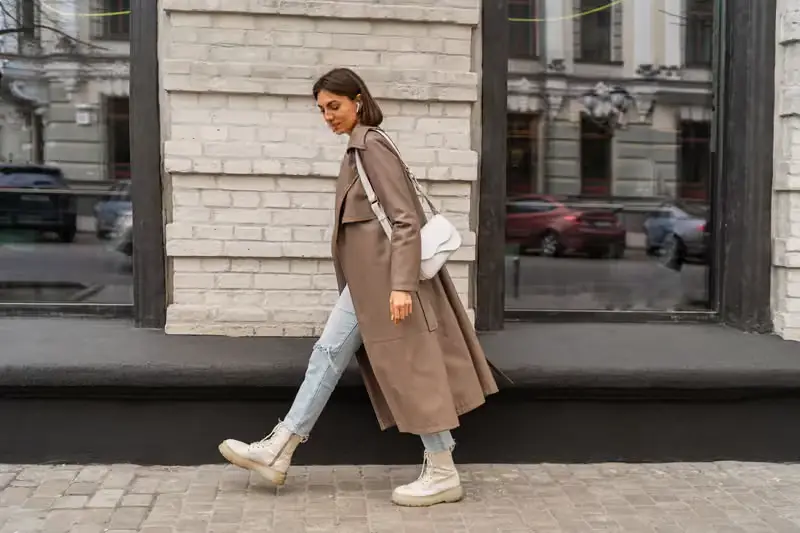
Proportion is one of the most important elements of successful outfit building. It determines how different garment shapes relate to one another. Even fashionable pieces can look disconnected when their volumes and lengths are not balanced.A useful technique is to contrast fitted and relaxed shapes. Wide-leg trousers can work well with a fitted top, while an oversized shirt may look balanced with straight or narrow trousers. This creates visual structure without requiring complicated styling.Length also influences proportion. Cropped jackets can emphasize the waist, while longer outerwear creates a more elongated line. Midi skirts, full-length trousers, and oversized tops each affect how an outfit appears. The best combination depends on the intended look and individual comfort.Layering introduces depth and makes clothing more adaptable. A shirt beneath a sweater, a lightweight jacket over a simple dress, or a scarf with a structured coat can create a more considered appearance. However, layers should serve a purpose. Too many heavy garments can make an outfit uncomfortable and visually crowded.Footwear can complete the proportion. Slim shoes may balance wide trousers, while substantial footwear can complement oversized silhouettes. The aim is to create a connection between the upper and lower parts of the outfit.
Combining Statement Pieces Without Overcomplicating an Outfit
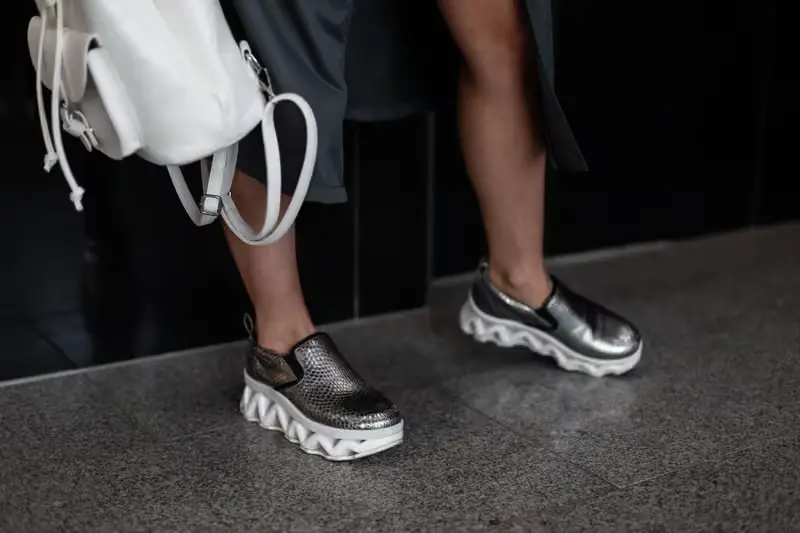
Statement pieces bring personality to a wardrobe. They may include a brightly colored coat, patterned trousers, sculptural footwear, or an unusual bag. Their visual impact is strongest when the surrounding clothing gives them enough space.A practical rule is to choose one dominant feature. If the jacket has a bold pattern, keep the top and trousers relatively simple. If the footwear has an unusual shape or strong color, avoid adding several competing accessories.This does not mean every outfit must be minimal. Experienced styling often involves combining different visual elements. The difference is that each element should have a clear role. A patterned garment may provide color, while a structured jacket creates shape and simple footwear grounds the outfit.Before leaving home, review the complete look. Check whether the main feature is clear and whether the remaining pieces support it. Small adjustments can improve the result without requiring additional purchases.
Using Color, Texture, and Patterns to Establish Aesthetic Harmony
Color coordination can transform separate garments into a cohesive outfit. Neutral palettes are a reliable starting point because they create visual consistency. Black, cream, gray, navy, and brown can be combined in many ways and provide a foundation for seasonal shades.Monochromatic outfits use different tones of one color to create a coordinated appearance. For example, light beige trousers, a cream shirt, and a darker brown jacket can produce depth without introducing strong contrast. Complementary colors create more energy, while controlled accents can make a neutral outfit feel modern.Repeating a color is another useful technique. A shade used in a bag can appear again in footwear, jewelry, or a small clothing detail. This repetition connects different elements without making them identical.Texture adds another dimension. Leather, denim, knitwear, satin, cotton, suede, and linen each have distinct visual qualities. Combining contrasting surfaces can make simple clothing more interesting. For example, a soft knit top can work with structured trousers, while a smooth leather accessory can add definition.Patterns require more careful planning. Combining prints can work when they share a similar color family, scale, or visual character. Large patterns may need simpler surroundings, while smaller prints can be easier to combine. If two patterns compete for attention, the outfit may feel unbalanced.The most effective approach is to establish a visual direction before getting dressed. Decide whether the outfit should feel understated, colorful, textured, or expressive. This makes coordination more intentional.
Adapting Trend-Based Outfits to Different Occasions and Seasons
A versatile wardrobe should support different activities without requiring a completely separate collection for each occasion. The same fashion trend can often be adapted through changes in footwear, layering, and accessories.For casual activities, relaxed denim, comfortable tops, and practical sneakers may create an easy combination. For professional settings, tailored trousers, structured jackets, and refined footwear can provide a more polished appearance. Social events may allow stronger colors, decorative details, or distinctive accessories.Dress codes should always influence styling decisions. A statement trend may work well in a creative workplace but feel unsuitable in a formal business environment. Understanding the setting helps prevent outfits from appearing out of place.Seasonal changes also affect fabric and construction choices. Lightweight cotton, linen, and breathable blends can support warmer weather. Knitwear, heavier denim, wool, and layered outerwear are useful when temperatures fall. Transitional pieces such as light jackets, cardigans, and versatile trousers can extend wardrobe use between seasons.Practicality matters as much as appearance. Consider movement, temperature, walking distance, and the length of time an outfit will be worn. Fashion should support the activity rather than create unnecessary discomfort.
Incorporating Accessories to Complete a Modern Fashion Look
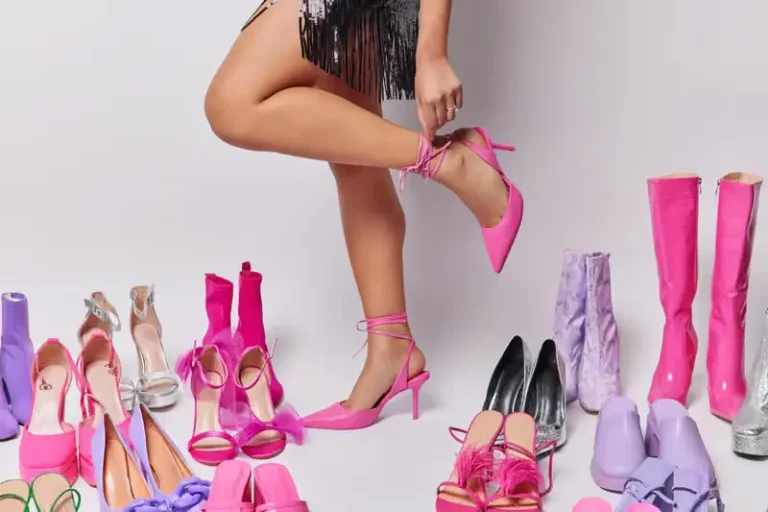
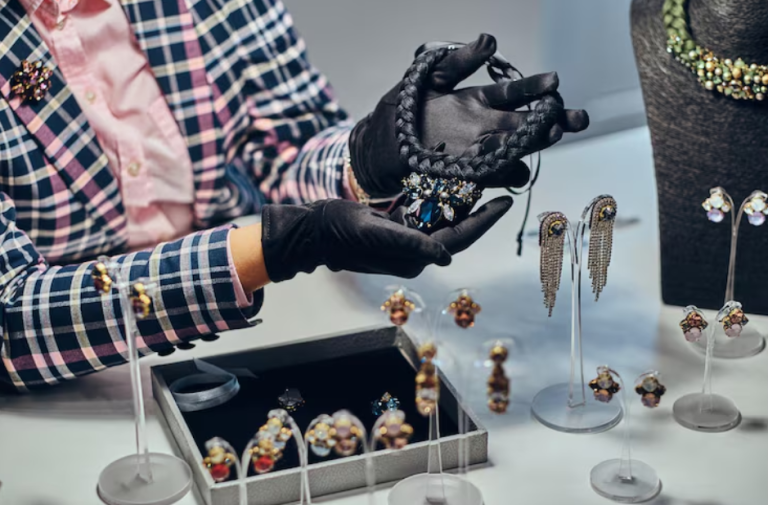
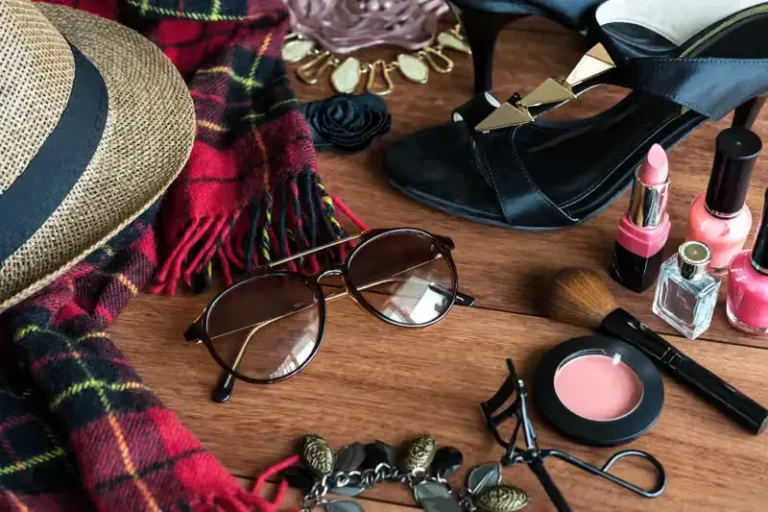
Accessories can change the character of an outfit without requiring major wardrobe updates. Bags, belts, jewelry, scarves, eyewear, and footwear introduce color, texture, and personality. They can also help connect separate clothing pieces.Scale is important. A large bag may complement relaxed clothing, while a smaller structured design can suit a more formal outfit. Delicate jewelry may work well with minimal styling, whereas bold accessories can create a stronger focal point.Accessories should also relate to the outfit’s overall direction. A sporty look may benefit from practical bags and understated jewelry. A tailored outfit can support structured leather accessories or refined metal details. Mixing styles can be effective, but the combination should feel deliberate.Footwear deserves special attention because it affects both appearance and comfort. Sneakers can make formal pieces feel more relaxed, while boots can add structure to flowing clothing. Simple flats and classic shoes provide useful alternatives when an outfit already includes several statement elements.Accessories are also an affordable way to experiment with trends. A seasonal color or decorative detail can be introduced through a scarf, belt, or bag instead of purchasing several new garments.
Common Styling Mistakes That Disrupt Wardrobe Cohesion
One common mistake is copying an entire outfit without considering personal proportions, comfort, or lifestyle. An outfit that works for a fashion editorial may not translate easily into daily activities. It is better to identify the elements that make the look effective and adapt them individually.Another problem is excessive trend purchasing. Buying several pieces from the same short-lived trend can create a wardrobe that quickly feels outdated. A more effective strategy is to introduce one or two trend-led items and evaluate their usefulness before expanding the collection.Poor fit can also undermine an outfit. Clothing that restricts movement, hangs awkwardly, or creates unwanted volume may not achieve the intended effect. Simple tailoring can sometimes improve an existing garment more than purchasing a replacement.Too many statement elements can create visual competition. Bold patterns, oversized silhouettes, bright colors, and decorative accessories may all be attractive individually. Combining them without a clear direction can make an outfit feel crowded.Finally, ignoring comfort reduces the practical value of clothing. Footwear, fabric weight, garment movement, and weather suitability should influence styling decisions. A balanced wardrobe should look appealing and support everyday needs.
Making Trend Styling More Sustainable and Cost-Effective
Trend styling can become expensive when consumers treat every new collection as a reason to shop. A more sustainable approach begins with using existing clothing creatively. New combinations can make familiar garments feel different without increasing consumption.Secondhand fashion offers another way to explore trends. Pre-owned clothing can provide access to distinctive designs, quality materials, and older styles that return to popularity. Clothing swaps also allow people to refresh their wardrobes while extending the useful life of garments.Repairs and alterations are equally valuable. Replacing a button, adjusting a hem, repairing a seam, or improving a fit can keep clothing in regular use. Proper washing and storage also help preserve fabric quality.Cost-per-wear is a useful way to evaluate purchases. Divide the total price of an item by the number of times you expect to wear it. A versatile jacket used throughout the year may provide better value than an inexpensive statement piece worn once.Consumers should also consider material quality and care requirements. Durable garments may cost more initially but can offer better long-term value. The goal is to build a wardrobe that supports personal style without depending on constant replacement.
Conclusion
Successful trend styling is about making thoughtful choices rather than following every popular fashion movement. A strong wardrobe combines versatile essentials with selected trend-led pieces, while proportion, color, texture, and accessories create visual harmony. Practical outfit planning ensures that clothing works across different occasions and seasons. By prioritizing fit, comfort, quality, and personal preferences, consumers can experiment with modern fashion without losing their individual identity. The best trend styling wardrobe outfits are not simply fashionable for the moment. They are adaptable, expressive, and useful long after a particular trend has passed.