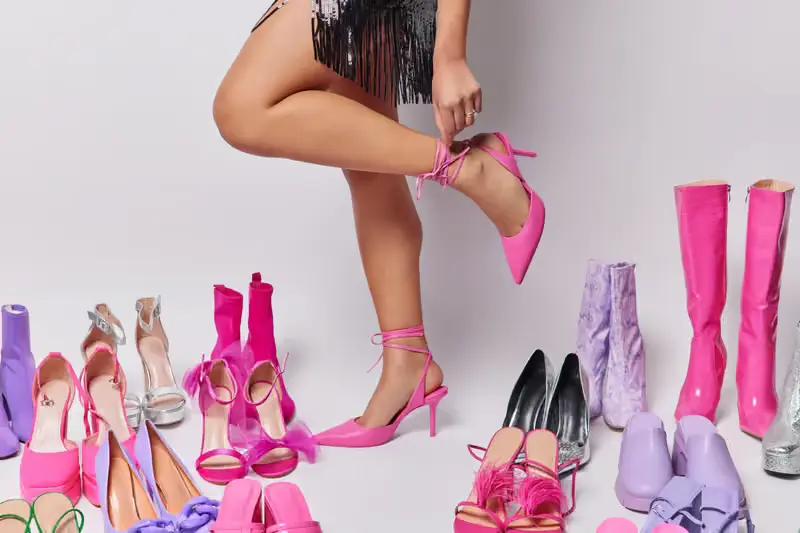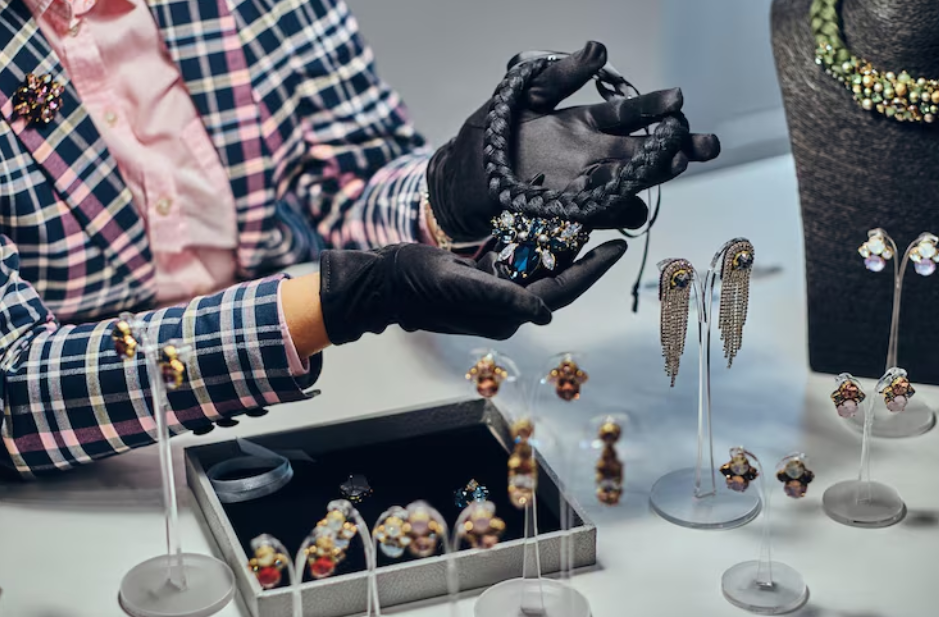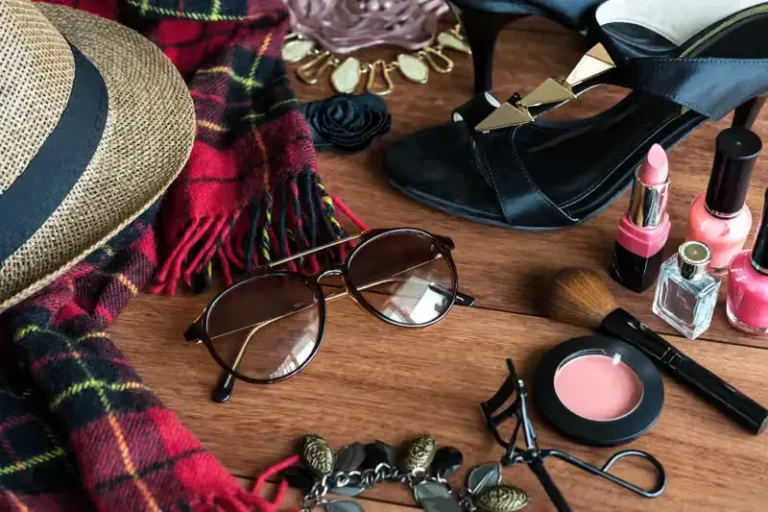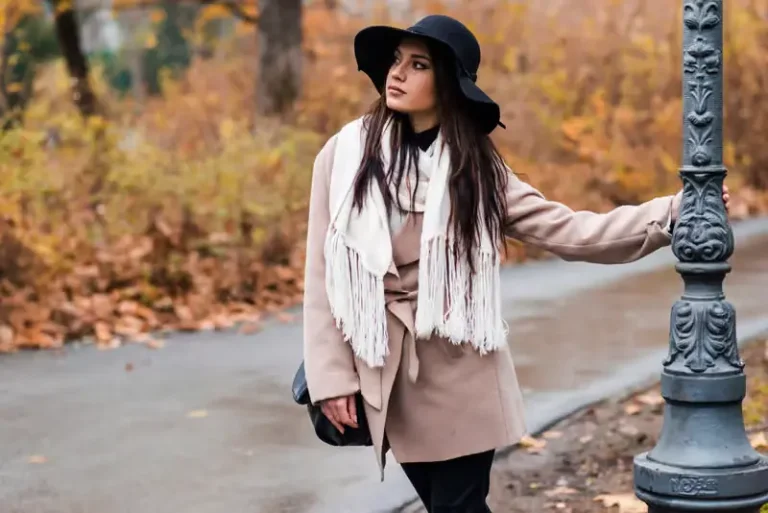
Footwear is becoming an important part of fashion identity in 2026. Shoes are no longer viewed only as practical accessories. They help define personal style, express creativity, and bring different clothing combinations together. Designers are experimenting with familiar shapes, unusual proportions, decorative details, and innovative materials. Meanwhile, streetwear culture continues to influence how people choose and style everyday footwear. From slim sneakers and ballet-inspired flats to sculptural heels and statement boots, this year’s footwear direction offers plenty of variety. Understanding shoe trends 2026 runway style means looking at more than popular designs. It involves recognizing how fashion ideas develop, which styles are becoming more practical, and how consumers can incorporate new looks without sacrificing comfort or versatility.
The Silhouettes Defining the 2026 Footwear Landscape
Footwear silhouettes are moving in two interesting directions. Some designs focus on simplicity, narrow proportions, and clean shapes. Others use exaggerated soles, unusual heels, and architectural details to create a stronger visual statement. Both approaches offer different ways to express personal style.
Slim footwear remains attractive because it creates a refined appearance. Narrow sneakers, delicate flats, and streamlined casual shoes work well with different clothing styles. They can complement tailored trousers, denim, dresses, and relaxed outfits without attracting too much attention.
More dramatic silhouettes provide a different experience. Thick soles, rounded toes, sculptural heels, and exaggerated proportions make footwear stand out. These designs can transform a simple outfit into something more distinctive. Their success, however, depends on balanced styling.
Slim Profiles and Refined Everyday Shoes
Slim footwear reflects a growing interest in lighter and more understated designs. Ballet-inspired flats, narrow sneakers, and minimalist loafers offer alternatives to bulky athletic shoes. Their simple appearance makes them suitable for people who prefer versatile clothing combinations.
Low-profile sneakers are especially adaptable. They combine casual comfort with a cleaner shape that works beyond traditional sportswear. They can be paired with straight-leg jeans, relaxed trousers, skirts, and casual dresses.
Flats are also receiving fresh attention. Updated toe shapes, delicate straps, and subtle decorative details make familiar designs feel contemporary. When choosing these shoes, comfort should remain a priority. A refined silhouette should still provide enough space, support, and stability for regular wear.
Sculptural Shapes and Oversized Proportions
Sculptural footwear brings creativity into everyday fashion. Unusual heel structures, curved soles, exaggerated platforms, and distinctive toe shapes give shoes a more artistic appearance. These designs are useful when an outfit needs a strong focal point.
Oversized shoes also work well with relaxed clothing. Chunky sneakers can balance wide-leg trousers, loose denim, and oversized jackets. However, proportions should remain consistent. A bulky shoe may overpower delicate clothing unless the rest of the outfit creates enough visual balance.
Consumers should consider their lifestyle before choosing dramatic footwear. Some sculptural designs are better suited to occasional styling than long periods of walking. Attractive construction and practical comfort should work together.
Runway Statements Moving Into Mainstream Fashion
Fashion runways often introduce ideas that influence footwear collections for months or even years. Designers use shoes to communicate the mood of an entire collection. A distinctive heel, unusual texture, or unexpected color combination can become an important design feature.
In 2026, runway footwear draws attention to several updated classics. High-vamp pumps, two-tone shoes, woven details, ballet-inspired sneakers, modern derby shoes, and decorative bows offer fresh interpretations of familiar designs. These styles demonstrate how small design changes can create a noticeable difference.
However, not every runway creation becomes suitable for everyday use. Some shoes are designed mainly for dramatic presentations, fashion photography, or editorial styling. Their influence usually appears through more practical adaptations.
For example, an unusually shaped heel may inspire a simpler commercial design. An experimental sneaker may lead to a lightweight everyday version. Designers can also adjust materials, colors, and proportions to make a statement shoe more accessible.
When following shoe trends 2026 runway style, consumers should focus on recurring design ideas rather than individual runway pieces. A silhouette appearing across different collections may have stronger long-term potential than an isolated experimental design.
Materials and Construction Innovations Changing Shoe Design
Materials influence how footwear looks, feels, and performs. They affect durability, flexibility, breathability, maintenance, and overall comfort. Designers are combining traditional materials with contemporary finishes to create shoes that feel familiar but look more modern.
Leather remains popular because of its structure and versatility. Suede provides a softer appearance, while mesh and textile surfaces create a lighter feel. Synthetic materials offer additional design possibilities, particularly when manufacturers want unusual textures or specific performance characteristics.
The right material depends on the intended use. A delicate fabric shoe may be suitable for special occasions but less practical for everyday wear. Breathable materials can be useful in warmer conditions, while durable uppers and strong soles may be more appropriate for frequent use.
Textures That Add Character to Footwear
Texture allows designers to refresh familiar shoe shapes without changing their overall structure. Polished leather creates a refined appearance. Suede introduces softness, while woven surfaces add a relaxed character. Metallic finishes and decorative elements make footwear more noticeable.
Mixed-material construction is another interesting direction. Sneakers may combine mesh uppers with synthetic overlays and rubber details. Loafers and dress shoes may feature textured panels, contrasting finishes, or decorative stitching.
These combinations help create distinctive footwear without relying on exaggerated shapes. They also allow consumers to experiment with different styles while keeping their clothing relatively simple.
Maintenance deserves attention when selecting textured shoes. Suede requires careful cleaning, while light-colored fabrics can show stains easily. Buyers should consider how much care a shoe needs before making a purchase.
Functional Design and Material Development
Comfort is becoming an important part of fashion footwear. Lightweight soles, flexible construction, cushioning, and breathable uppers can make shoes more suitable for everyday activities.
However, technical features should match their intended purpose. A casual sneaker may provide enough comfort for daily errands but may not offer the support required for running. Similarly, a fashionable flat may not suit someone who spends most of the day standing.
Material innovation also supports efforts to improve product longevity and reduce waste. Some manufacturers are exploring recycled materials, alternative components, and more efficient production processes. Consumers should examine these claims carefully. Clear information about material composition, durability, and manufacturing is more useful than general environmental promises.
Color Forecasting and the Return of Expressive Footwear
Color is one of the easiest ways to update a footwear wardrobe. Neutral shades remain useful because they work with different clothing combinations. Black, brown, cream, grey, and earthy tones provide a reliable foundation for everyday styling.
At the same time, expressive colors are giving footwear a stronger identity. Metallic finishes, bright accents, contrasting panels, and unexpected combinations can turn shoes into statement pieces.
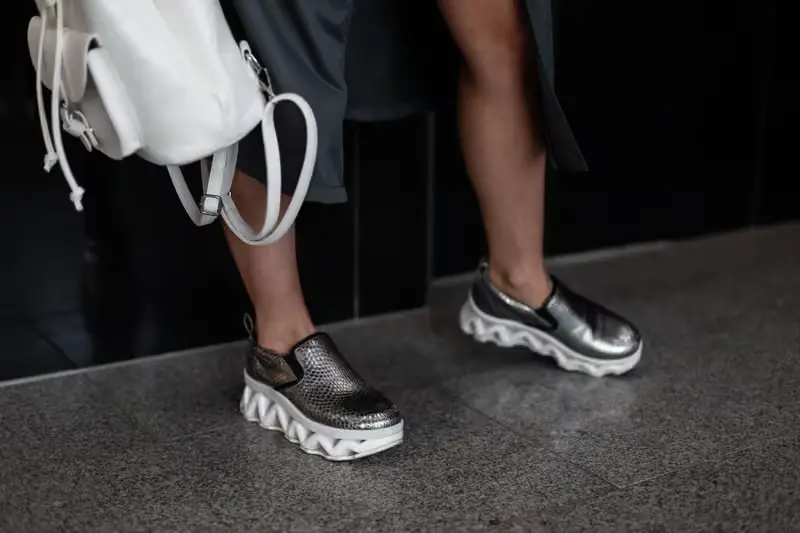
Silver and other metallic finishes can add personality to simple sneaker designs. Two-tone footwear creates contrast through different shades, while animal-inspired patterns bring visual interest to flats, boots, and casual shoes.
Tonal styling is another practical approach. Choosing shoes in a similar color family to trousers or accessories creates a coordinated appearance. Alternatively, contrasting footwear can make an otherwise understated outfit more interesting.
A balanced wardrobe should include both versatile and expressive choices. Neutral shoes can handle frequent use, while colorful designs provide variety. Before purchasing a bold style, consider whether it will complement several existing outfits.
Streetwear Culture and the Everyday Adoption of Runway Shoes
Streetwear has a significant influence on modern footwear. Sneakers, casual boots, and hybrid designs often gain attention through music, sports, online communities, and youth culture. These influences help transform designer concepts into styles that people can wear every day.
Retro-inspired footwear remains relevant because it combines familiar athletic details with updated proportions. Vintage color combinations, classic trainer shapes, and slim running-inspired designs create a connection between past and present fashion.
Hybrid footwear also continues to attract attention. These designs combine elements from different categories. A sneaker may have a refined upper with an athletic sole, while a casual shoe may borrow details from traditional sports footwear.
Styling plays an important role in streetwear adoption. Slim sneakers work well with wide-leg trousers and relaxed denim. Chunkier shoes can balance oversized jackets and casual outfits. Combining sporty footwear with tailored clothing creates an interesting contrast between formal and informal elements.
Social media can accelerate the popularity of specific designs. However, trends may change quickly. Consumers should avoid purchasing every popular release. A good footwear choice should offer comfort, match personal preferences, and remain useful beyond a short fashion cycle.
Key Footwear Categories to Watch Throughout 2026
Different footwear categories provide different ways to explore the year’s fashion direction. Sneakers remain popular because they offer variety and everyday practicality. Flats, boots, and heels provide additional options for people who want more refined or occasion-specific designs.
Sneakers, Retro Runners, and Hybrid Designs
Sneakers continue to connect fashion with functionality. Slim trainers offer a lighter appearance, while retro runners introduce vintage athletic influences into everyday outfits. Hybrid designs combine sporty construction with more refined styling.
Ballet-inspired sneakers are another interesting development. They combine the delicate appearance of ballet flats with the practical structure of athletic footwear. Slim soles, soft finishes, and subtle decorative details make them suitable for different casual combinations.
When purchasing sneakers, buyers should examine more than appearance. Sole flexibility, cushioning, upper materials, and overall fit all affect comfort. People who walk frequently should prioritize support and durability.
Retro-inspired designs can also offer excellent wardrobe flexibility. Neutral versions work with several outfits, while colorful models provide a more noticeable statement.
Flats, Boots, and Statement Heels
Flats remain an important option for people who prefer practical footwear with a refined appearance. Ballet-inspired designs, updated loafers, pointed toes, square shapes, and delicate straps bring new character to familiar styles.
Boots offer flexibility across different seasons. Western-inspired designs, slouchy shapes, knee-high silhouettes, and decorative buckle details provide several styling possibilities. Buyers should consider weather conditions, sole grip, shaft height, and maintenance requirements.
Statement heels focus on shape and visual impact. Sculptural structures, unusual proportions, and decorative finishes can make them suitable for special occasions. However, heel stability and foot positioning remain important. A visually attractive shoe should still be comfortable enough for its intended use.
Turning 2026 Shoe Trends Into a Wearable Personal Wardrobe
Following footwear trends does not mean replacing every pair of shoes. A more practical approach is to identify which styles complement existing clothing and daily activities.
Start by reviewing the current footwear collection. Identify the shoes that receive regular use and those that remain unused. Poor fit, limited styling options, and uncomfortable construction are common reasons why certain purchases fail to become wardrobe essentials.
Next, identify genuine gaps. Someone who regularly wears formal clothing may benefit from refined loafers or comfortable flats. A person with a casual wardrobe may prefer versatile sneakers or durable boots. Trend adoption should support actual wardrobe requirements.
Cost per wear is another useful consideration. A well-made pair of neutral shoes worn several times each week may offer more value than an expensive statement design used only occasionally. This does not mean avoiding expressive footwear. It means balancing practical purchases with personal style.
Fit should always come before appearance. Shoe sizing can differ between manufacturers, so checking measurements and trying footwear when possible is sensible. Consider toe space, heel movement, arch support, and overall comfort while walking.
Finally, avoid purchasing shoes simply because they are popular online. Fashion trends can change quickly. Personal preference, quality, and versatility usually provide better long-term value.
Sustainability, Longevity, and the Future of Fashion Footwear
Sustainability is becoming an important consideration in footwear production and purchasing. Shoes often combine several materials, including leather, textiles, adhesives, rubber, and synthetic components. This complexity can make recycling and repair difficult.
Manufacturers are exploring recycled materials, alternative components, improved production methods, and designs intended to last longer. These developments may help reduce waste, but sustainability depends on more than the materials used in a product.
A shoe made with recycled content is not automatically a responsible choice if it wears out quickly or cannot be repaired. Consumers should examine construction quality, material information, durability, and available repair options.
Proper maintenance can also extend footwear life. Regular cleaning, suitable storage, and timely repairs help prevent unnecessary replacement. Shoes with durable soles and strong stitching may provide better long-term value than products designed mainly around short-lived fashion appeal.
The industry faces a continuing challenge. Seasonal trends encourage frequent purchases, while sustainability requires longer product use. Consumers can respond by maintaining a smaller collection of dependable footwear and adding trend-driven pieces selectively.
Conclusion
The footwear direction of 2026 combines refined silhouettes, sculptural shapes, expressive textures, retro sneakers, and updated classic designs. Runway experimentation continues to influence mainstream fashion, while streetwear makes many ideas suitable for everyday styling. Material innovation, comfort, and sustainability also influence how consumers evaluate footwear. The best way to approach shoe trends 2026 runway style is to treat fashion forecasts as inspiration rather than strict rules. Choose designs that reflect personal taste, provide reliable comfort, and complement existing clothing. A thoughtful footwear wardrobe can embrace current fashion while remaining practical, versatile, and valuable beyond the season.