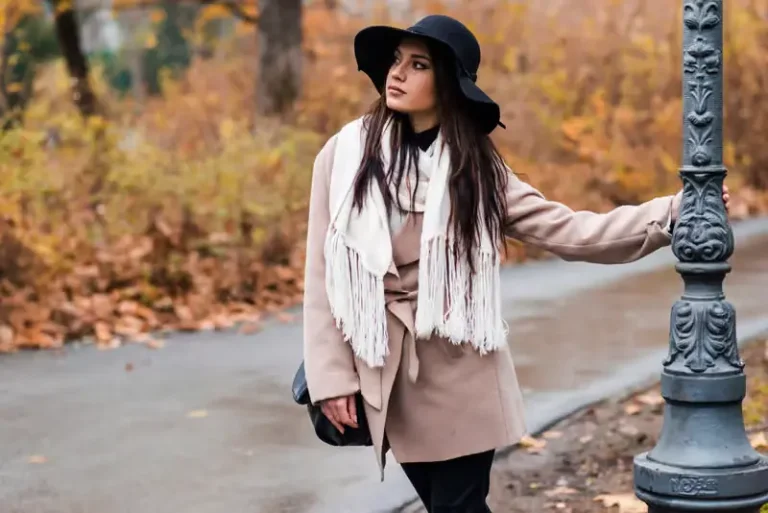
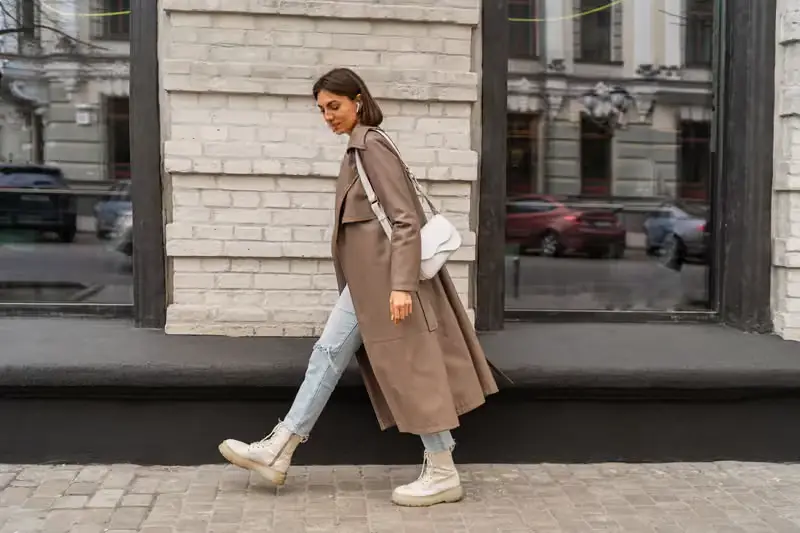
Fashion trends often begin on international runways before influencing retail collections, street style, and everyday wardrobes. Designers introduce new silhouettes, colors, fabrics, and styling ideas that shape how people approach clothing. However, runway outfits are not always practical for ordinary activities. Some designs use dramatic proportions, unusual materials, or bold combinations intended to make a visual statement. Trend styling helps fashion enthusiasts interpret these ideas and adapt them to their own lifestyles. It is not about copying an entire designer look. It involves identifying interesting elements and using them in ways that feel comfortable, personal, and wearable. The concept of trend styling runway daily wear focuses on balancing creative expression with practical clothing choices. A statement jacket, seasonal color, distinctive accessory, or updated silhouette can transform a familiar outfit without requiring a complete wardrobe replacement. Understanding how to select and combine trends allows people to experiment with fashion while maintaining a consistent personal identity.
Understanding the Creative Language of Runway Fashion
Runway fashion communicates ideas through more than individual garments. Designers use proportions, textures, colors, patterns, and accessories to create a complete visual direction. A collection may explore oversized tailoring, minimalist shapes, dramatic layering, metallic finishes, or unexpected color combinations. These choices often reflect wider cultural influences, artistic movements, and changing consumer preferences. Fashion enthusiasts can learn from these presentations by looking beyond the finished outfit. Instead of asking whether an entire runway look is suitable for daily wear, they should identify the design principle that makes it interesting. For example, an oversized blazer may communicate relaxed tailoring. A combination of contrasting fabrics may demonstrate how texture creates depth. These ideas can be adapted using more accessible clothing. Understanding the creative language of fashion also helps distinguish a lasting style direction from a temporary visual novelty. Not every runway idea needs to become part of a personal wardrobe. The most useful trends are those that complement existing clothing, suit individual preferences, and offer enough versatility to justify their cost.
Identifying Wearable Trends Without Overhauling Your Wardrobe
Adopting new fashion trends does not require replacing everything in a closet. A more thoughtful approach begins with reviewing existing clothing and identifying pieces that can support new combinations. Neutral trousers, basic shirts, denim, simple dresses, and versatile outerwear provide useful foundations. Fashion enthusiasts can then introduce selected trends through one or two carefully chosen items. Before purchasing something new, consider how often it can be worn and whether it works with several existing pieces. A statement top may look attractive in a photograph but offer limited value if it only matches one outfit. Versatility matters because everyday wardrobes need to support different activities and settings. It is also useful to distinguish between trends that offer long-term styling opportunities and those that may disappear quickly. Seasonal details can be enjoyable, but expensive purchases should receive more careful consideration. Fabric quality, fit, comfort, and maintenance requirements are important factors. A well-made garment that reflects a current trend can remain useful after the trend loses popularity. This approach encourages experimentation without unnecessary spending or wardrobe clutter.
Choosing the Right Silhouettes and Proportions
Silhouette plays a major role in making runway inspiration wearable. Oversized jackets, wide-leg trousers, fitted tops, and structured coats can create different visual effects. However, proportions need balance. If both the upper and lower parts of an outfit have substantial volume, the result may appear overwhelming. Pairing wide-leg trousers with a more fitted top can create definition. An oversized blazer can work well with straight-leg jeans or a simple dress. These combinations preserve the original design idea while making it easier to wear. Proportions should also reflect personal comfort rather than strict fashion rules. Some people prefer relaxed clothing, while others feel more confident in structured silhouettes. The goal is to create an intentional outfit that allows natural movement and suits the occasion.
Translating Runway Colors, Prints, and Textures Into Daily Outfits
Color is one of the easiest ways to introduce runway inspiration into an everyday wardrobe. Designers often create seasonal palettes that influence clothing collections and accessories. Some combinations use soft neutrals, while others feature bright contrasts or unexpected shades. Fashion enthusiasts can experiment with these ideas without wearing several bold colors at once. A colorful jacket, handbag, scarf, or pair of shoes can introduce a seasonal shade to a familiar outfit. Another option is to combine a statement color with neutral garments. This creates visual interest while keeping the overall appearance balanced. Prints require similar consideration. Large patterns and unusual combinations may dominate a runway presentation, but smaller applications can feel more practical. A printed shirt with plain trousers or a patterned skirt with a simple top allows one element to stand out. Texture offers another opportunity for creative styling. Denim, leather, knitwear, satin, cotton, and suede each create different visual effects. Combining contrasting materials can make a simple outfit more interesting. For example, a structured jacket over a soft knit top introduces depth without relying on complicated patterns. The key is to create contrast with purpose. Too many competing textures, colors, and prints can make an outfit feel crowded. Selecting one dominant feature and supporting it with simpler pieces usually creates a more cohesive result.
Building Everyday Looks Through Strategic Layering
Layering helps transform individual garments into more complete outfits. It also allows fashion enthusiasts to experiment with runway styling while adapting to changing temperatures and daily activities. A shirt under a lightweight sweater, a jacket over a simple dress, or a coat combined with tailored separates can create depth and dimension. The most effective layers have different functions. A base layer provides comfort, a middle layer adds visual interest, and an outer layer offers warmth or structure. These pieces should work together without restricting movement. Fabric weight is especially important. Heavy materials can become uncomfortable when combined, while lightweight fabrics may not provide enough warmth in colder conditions. Layering should also account for the local climate and the amount of time spent indoors or outdoors. Proportion matters here as well. Long outerwear can create a dramatic line, while shorter jackets may emphasize the waist or define a relaxed silhouette. Fashion enthusiasts should test combinations before wearing them for a full day. Practical layering is not simply about adding more garments. It is about using clothing strategically to create an outfit that looks considered and feels comfortable.
Making Statement Pieces Work for Different Occasions
Statement garments can become useful wardrobe investments when they work across several settings. A distinctive blazer, sculptural top, unusual pair of trousers, or textured jacket may initially seem difficult to style. However, pairing it with familiar basics can make it more versatile. A bold jacket can be worn with denim for a relaxed appearance or with tailored trousers for a more polished setting. Statement trousers can work with a plain shirt during the day and a refined top for an evening event. Footwear and accessories can also change the overall impression. The important factor is understanding the expectations of each occasion. Workplace clothing may require more restrained combinations, while social activities allow greater experimentation. A statement piece becomes more valuable when it can adapt to these different situations without losing its distinctive character.
Accessories and Footwear as Everyday Fashion Tools
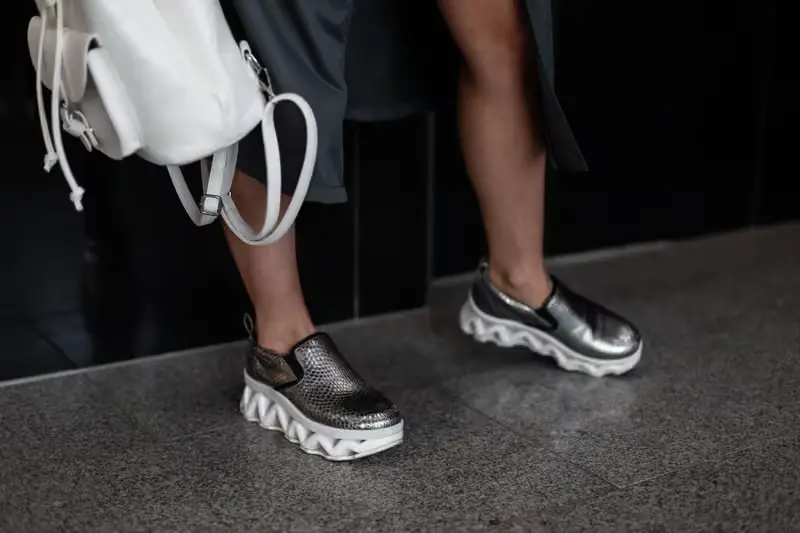
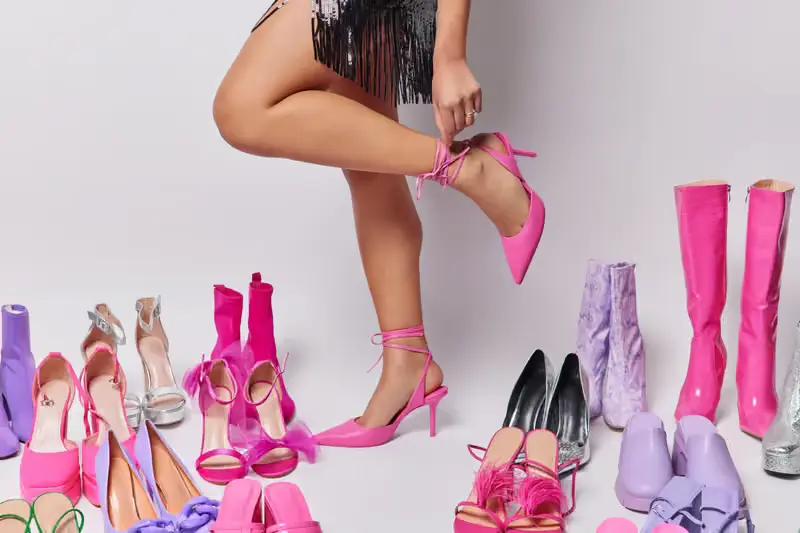
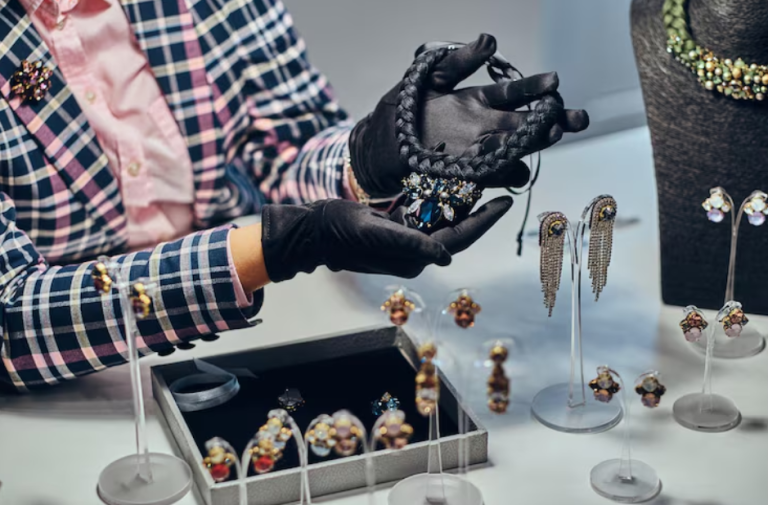
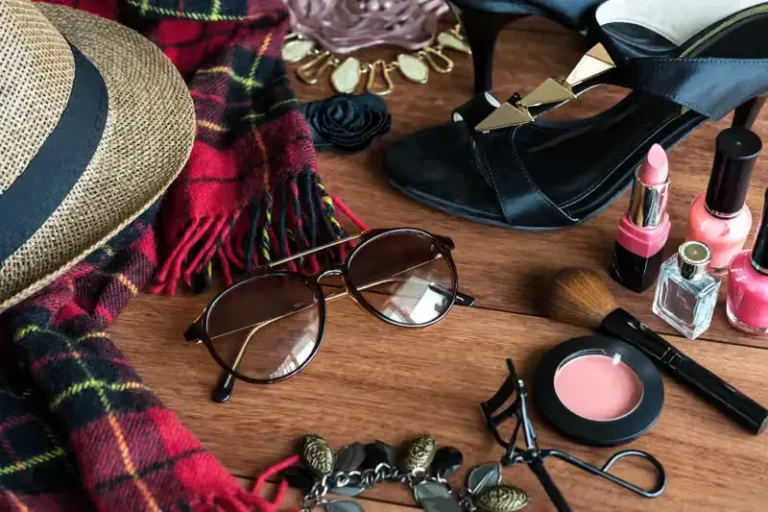
Accessories provide an accessible way to introduce runway influences without making major wardrobe changes. Bags, belts, scarves, sunglasses, jewelry, and hats can transform simple clothing combinations. A sculptural handbag may add a modern detail to a neutral outfit. A wide belt can change the shape of a loose dress, while layered necklaces can add interest to a plain neckline. The most effective accessories support the outfit rather than compete with every other element. Fashion enthusiasts should consider scale, color, and material when selecting them. Large jewelry may work best with simple clothing, while delicate accessories can complement more detailed garments. Footwear also influences the character of an outfit. Sneakers can make tailored clothing feel relaxed, while boots may introduce a stronger visual direction. Loafers, flats, and simple heels offer alternatives for different activities. Practical considerations remain important. Shoes should fit properly and support the amount of walking involved in daily routines. An attractive pair that causes discomfort will rarely become a reliable wardrobe choice. Accessories are most useful when they combine visual appeal with regular wearability.
Personal Style, Comfort, and the Practical Side of Fashion Trends
Runway inspiration should strengthen personal style rather than replace it. Fashion enthusiasts often encounter trends that look appealing on models but do not suit their own preferences, routines, or comfort requirements. This is normal. Clothing interacts with individual needs, including workplace expectations, climate, mobility, and daily responsibilities. A trend that works for an evening event may not be appropriate for a long working day. Similarly, delicate fabrics may require maintenance that does not fit a busy schedule. Personal style provides a framework for making these decisions. Someone who prefers minimalist clothing might introduce runway inspiration through modern tailoring or subtle accessories. A person who enjoys expressive fashion may experiment with stronger colors, unusual silhouettes, and layered textures. Neither approach is more correct. Fit and fabric quality also influence how an outfit looks and feels. Clothing that fits well usually appears more intentional than an expensive garment with unsuitable proportions. Comfort should not be treated as the opposite of style. The strongest everyday outfits combine appearance, movement, durability, and individual confidence.
Avoiding Common Mistakes When Adopting Runway-Inspired Fashion
One common mistake is combining too many trends in a single outfit. Wearing bold prints, oversized proportions, bright colors, and statement accessories together can make it difficult for individual elements to stand out. A more effective strategy is to select one main feature and build around it. Impulse purchasing is another risk. Social media and fashion campaigns can create pressure to buy new items quickly. However, an attractive trend may not suit an existing wardrobe or offer enough opportunities for regular use. Before purchasing, consider the item’s cost per wear, maintenance needs, and versatility. Poor fit can also weaken an otherwise promising outfit. Clothing should be adjusted when necessary rather than worn simply because it follows a current trend. Excessive imitation creates another limitation. Reproducing a designer outfit without considering personal preferences can make styling feel forced. Fashion inspiration should encourage creativity, not remove individuality. Experimenting with familiar garments, changing accessories, and testing new combinations can often produce more useful results than buying an entire runway-inspired outfit.
Practical Ways to Develop a Runway-Inspired Everyday Wardrobe
Building a wearable trend-focused wardrobe becomes easier with a simple strategy. Begin by observing seasonal collections and identifying a few ideas that genuinely match personal preferences. These might include a particular color, silhouette, fabric, or accessory style. Next, review existing clothing to find pieces that can support those ideas. This prevents unnecessary purchases and encourages more creative combinations. Creating a small collection of outfit ideas can also help. Photographing successful combinations makes it easier to repeat them and identify useful wardrobe gaps. When buying new items, prioritize pieces that work with multiple garments and suit regular activities. Set a realistic budget and avoid treating every new trend as essential. It is also helpful to experiment gradually. Try a new color combination before purchasing several garments in that shade. Test oversized proportions with clothing already available. Introduce statement accessories before investing in expensive designer-inspired pieces. Finally, review the wardrobe periodically. Remove or repurpose items that no longer fit personal needs, and identify which purchases receive regular use. This process creates a more intentional wardrobe that can evolve without constant replacement.
Conclusion
Trend styling makes runway fashion more accessible by translating creative design ideas into practical everyday outfits. Fashion enthusiasts can draw inspiration from silhouettes, colors, prints, textures, layering, accessories, and footwear without copying complete designer looks. The most effective approach is selective. Choose trends that complement personal preferences, work with existing clothing, and suit daily activities. Pay attention to fit, comfort, fabric quality, and versatility before making purchases. Avoid unnecessary spending and give individual style room to develop. Ultimately, trend styling runway daily wear is about interpreting fashion rather than following it blindly. When creativity is balanced with practicality, runway inspiration can refresh familiar outfits and help build a wardrobe that feels modern, comfortable, and genuinely personal.