Accessories play an important role in defining how an outfit looks and feels. Clothing provides the foundation, but carefully selected details bring personality, balance, and character to an overall appearance. A simple combination of jeans and a shirt can look completely different with a leather belt, distinctive watch, structured handbag, or statement necklace. These small additions can also make a wardrobe more versatile. Instead of purchasing new clothes for every occasion, people can create fresh combinations by changing their accessories. Modern fashion offers many choices, from timeless essentials to seasonal statement pieces. However, successful styling requires more than collecting attractive items. Each accessory should complement the clothing, suit the occasion, and reflect individual preferences. Effective clothing accessories styling focuses on combining function with visual appeal. It helps people create coordinated outfits while expressing their personal identity. Understanding how accessories influence color, proportion, texture, and formality makes it easier to build a practical collection that remains useful as fashion trends change.
The Different Roles Accessories Play in Outfit Design
Accessories serve several purposes within an outfit. Some provide practical functions, while others mainly contribute to appearance. Bags carry everyday belongings, belts improve fit, and watches support daily routines. Jewelry, scarves, and eyewear can introduce decorative details that make an outfit more distinctive. These categories often overlap. A handbag can be both functional and a major visual feature. A belt can define the waist while adding contrast to a simple combination. The most effective accessories connect different parts of an outfit. They can repeat a color, introduce a contrasting texture, or create a focal point. For example, a brown leather belt and matching shoes can establish visual consistency without making the outfit look overly coordinated. Accessories also influence proportion. A small bag may suit a minimalist outfit, while a larger design can balance heavier clothing. The key is to understand what an outfit needs. If the clothing already contains strong patterns or decorative details, simple accessories may provide balance. If the clothing is understated, a distinctive accessory can add interest. This approach makes styling more intentional and prevents unnecessary additions.
Essential Accessories Every Versatile Wardrobe Should Include
A versatile accessory collection begins with practical pieces that work across different outfits. The exact selection depends on lifestyle, personal taste, and daily requirements. However, certain categories offer broad styling opportunities. A reliable belt, everyday bag, functional watch, comfortable sunglasses, and a small selection of jewelry can support many clothing combinations. Neutral colors such as black, brown, beige, silver, and gold are useful starting points because they coordinate with different palettes. Material quality also matters. Accessories receive regular handling and exposure to environmental conditions. Poor stitching, weak closures, fading finishes, and fragile materials can reduce their usefulness. It is often better to own a few well-made pieces than a large collection of items that rarely leave storage. Before purchasing an accessory, consider how it will work with existing clothing. A bag should suit daily carrying needs as well as outfit preferences. Jewelry should be comfortable enough for regular use. A belt should fit properly and complement the formality of the clothing. These practical considerations help build a collection that offers genuine value.
Everyday Foundations: Belts, Bags, and Watches
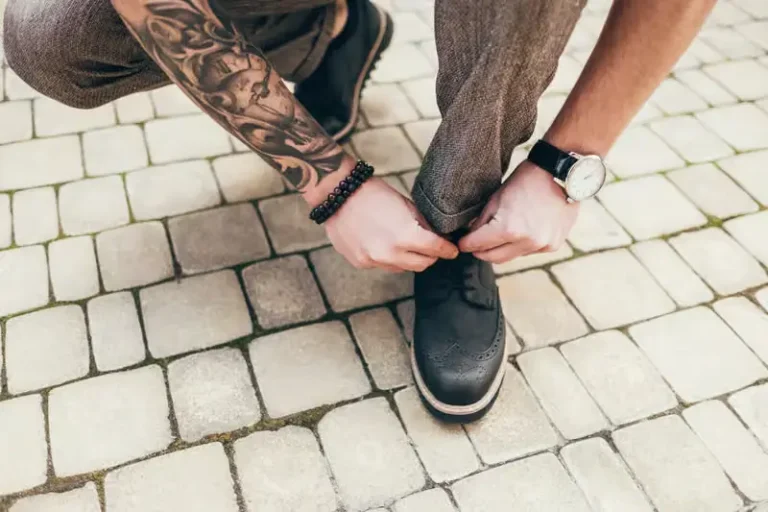
Belts, bags, and watches are among the most adaptable wardrobe accessories. A belt can define proportions, secure clothing, and introduce a different material or color. Slim designs often suit refined outfits, while wider belts can create a stronger visual statement. Bags require a balance between appearance and capacity. Structured handbags may complement polished clothing, while crossbody bags and backpacks offer convenience for active routines. Neutral designs usually provide greater flexibility, but distinctive shapes can add personality. Watches can also influence an outfit’s overall character. A simple metal watch may look refined, while a leather strap creates a softer appearance. Sport-inspired watches suit relaxed clothing and active lifestyles. Choosing designs that reflect regular needs makes these accessories more useful.
Jewelry, Scarves, and Eyewear as Personal Details
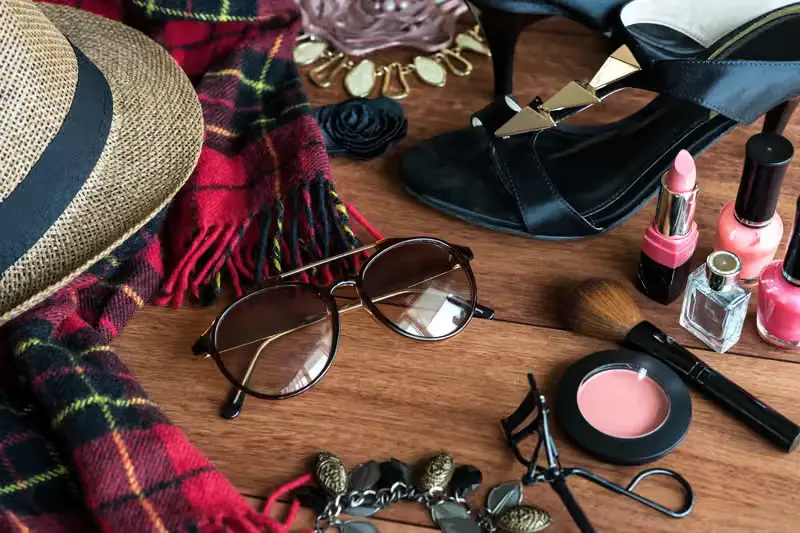
Jewelry, scarves, and eyewear offer opportunities to introduce individuality. Necklaces, rings, bracelets, and earrings can add subtle detail or become the main focus of an outfit. Scarves provide color, texture, and seasonal functionality. They can also change the appearance of familiar clothing through different folding and tying techniques. Eyewear combines practical value with personal style. Frame shape, size, and color influence how sunglasses or prescription glasses complement an outfit. These accessories should feel comfortable and proportionate. Their purpose is to support personal expression rather than create unnecessary visual competition.
Creating Visual Impact Through Statement Accessories
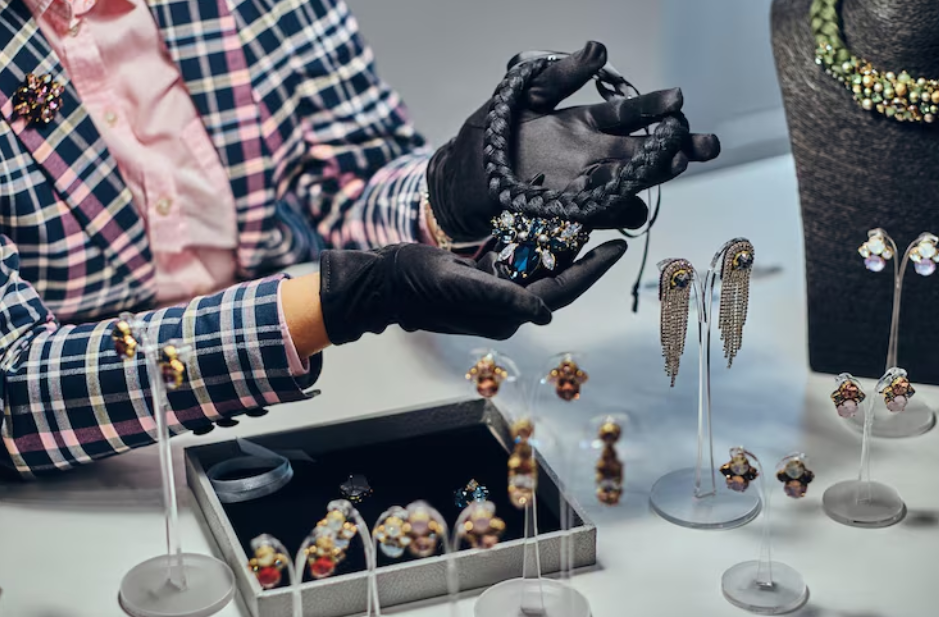
Statement accessories help transform simple clothing into memorable outfits. They often feature bold shapes, unusual materials, striking colors, oversized proportions, or distinctive craftsmanship. A sculptural necklace can bring attention to a plain neckline. A brightly colored handbag can add energy to neutral clothing. Large earrings or an unusual belt can become the central feature of an otherwise understated combination. The most effective approach is to give statement pieces enough space to stand out. Wearing several bold accessories together can create competition between different elements. Instead, select one dominant feature and keep the supporting details relatively simple. For example, a dramatic necklace may work best with a plain top and minimal earrings. A distinctive handbag can complement a simple dress without requiring additional decorative elements. Context also matters. A bold accessory may be appropriate for a social event but less suitable for a conservative workplace. Consider the setting, clothing, and level of formality before choosing statement pieces. This makes expressive styling feel intentional rather than excessive.
Understanding Color, Texture, and Proportion in Accessory Coordination
Color coordination helps accessories connect different parts of an outfit. Matching every item is not necessary. In fact, exact matching can sometimes make a combination appear overly planned. A more flexible approach involves using complementary shades, related tones, or controlled contrast. For example, a tan bag can complement beige clothing without being an identical shade. Burgundy accessories can add depth to neutral outfits, while metallic details can introduce subtle brightness. Texture is equally important. Leather, suede, woven fabrics, polished metal, wood, and natural fibers create different visual effects. Combining contrasting materials can make an outfit more interesting. A leather belt with a soft knit outfit introduces structure, while a woven bag can make tailored clothing feel more relaxed. Proportion should also guide accessory selection. Oversized jewelry may suit simple clothing with clean lines, while delicate pieces can complement detailed garments. Bag size should relate to both practical needs and overall outfit proportions. The aim is to create balance rather than follow fixed rules.
Using Contrast and Repetition to Create Cohesive Outfits
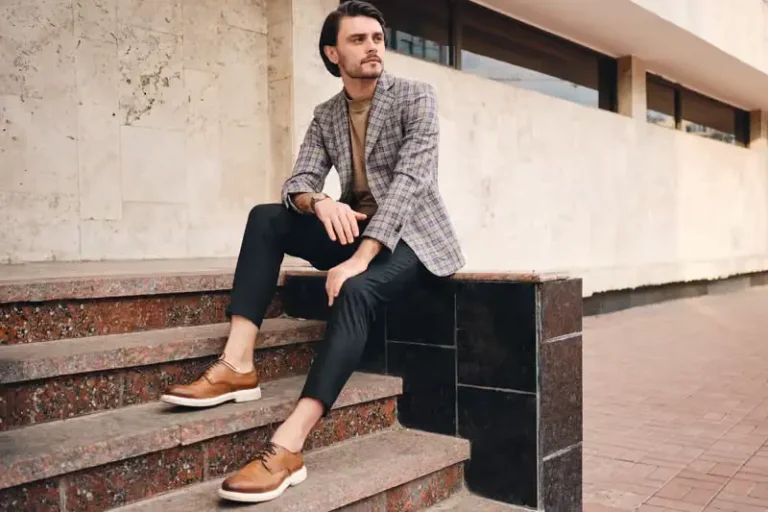
Contrast and repetition are useful styling techniques. Contrast introduces visual interest by combining different colors, finishes, or materials. A dark outfit with a light-colored bag creates a clear focal point. Repetition creates continuity by bringing a color or material into more than one part of the outfit. For example, a leather belt and shoes in related shades can connect separate clothing elements. These techniques can also work together. A neutral outfit may use repeated brown details with one contrasting accessory in a brighter color. The result feels coordinated but not predictable. The key is to control the number of competing features. A few deliberate connections usually create a stronger appearance than matching every accessory.
Adapting Accessories to Different Occasions and Dress Codes
Accessory choices should reflect the environment and purpose of an outfit. Workplace settings often benefit from practical bags, understated jewelry, classic watches, and restrained colors. These pieces can support a professional appearance without drawing excessive attention. Casual outings allow more freedom. Crossbody bags, colorful scarves, layered jewelry, and expressive sunglasses can introduce personality. Formal occasions may require more careful coordination. Small handbags, refined jewelry, elegant watches, and polished belts can complement formal clothing. The level of decoration should suit the event rather than compete with it. Travel requires another approach. Comfort, security, storage, and durability become more important. A practical bag, comfortable eyewear, and simple accessories may be more useful than delicate or expensive pieces. Versatile accessories can move between different settings when their design is appropriate. A simple leather bag, for example, may work with office clothing and weekend outfits. Understanding dress codes prevents styling choices from feeling unsuitable and helps people make better use of their collections.
Seasonal Accents and the Influence of Changing Fashion Trends
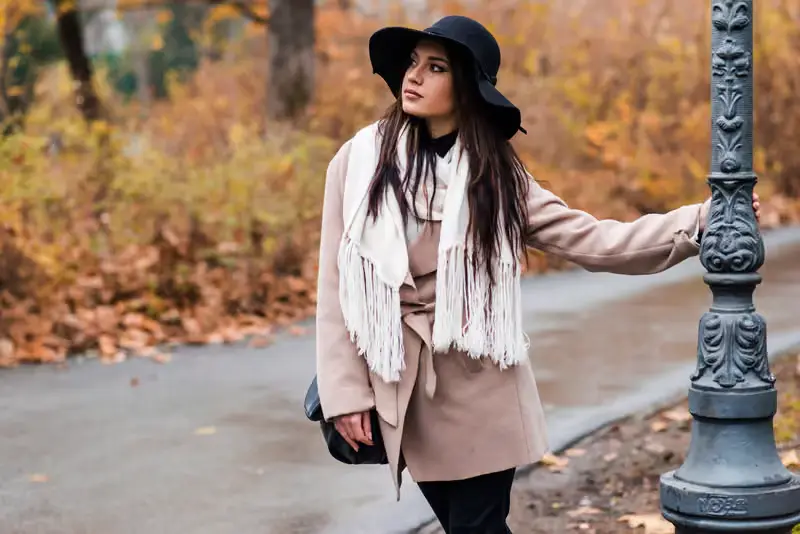
Fashion trends influence accessory shapes, colors, materials, and decorative details. Seasonal collections may introduce oversized bags, unusual jewelry, textured belts, colorful eyewear, or distinctive scarves. These trends provide opportunities to refresh familiar outfits. However, following every new direction can become expensive and create unnecessary wardrobe clutter. A more strategic approach is to introduce trends through smaller purchases. A seasonal scarf or statement pair of earrings can update several existing outfits without requiring major changes. Material choices can also reflect the season. Lightweight fabrics and woven accessories may suit warmer weather, while leather, wool, and heavier textures can complement colder conditions. Still, seasonal styling should remain practical. Accessories should match local weather and everyday activities. It is also important to distinguish temporary trends from designs that offer lasting value. Classic shapes and durable materials often remain useful even when fashion preferences change. Choose trends that complement personal style instead of treating every new release as essential.
Developing a Signature Accessory Style
A signature accessory style develops through repeated choices that reflect individual preferences. Some people prefer minimalist pieces with clean shapes and neutral colors. Others enjoy expressive jewelry, distinctive bags, colorful scarves, or unusual materials. Neither approach is better. The objective is to identify details that feel natural and suit everyday life. Start by reviewing the accessories used most frequently. Look for common colors, materials, shapes, and design features. These patterns can reveal personal preferences. Next, experiment with combinations that extend those preferences. Someone who enjoys minimalist fashion might build a signature look around simple metal jewelry and structured bags. Someone who prefers expressive clothing might use bold earrings or colorful accessories as recurring features. Lifestyle should also influence these choices. Accessories need to support comfort, mobility, and practical responsibilities. A signature style should feel consistent without becoming restrictive. It can evolve as personal preferences and wardrobe needs change.
Common Accessory Styling Problems and Practical Solutions
Over-accessorizing is one of the most common styling problems. Too many decorative elements can make an outfit appear crowded and prevent individual pieces from standing out. A useful solution is to choose one focal accessory and reduce competing details. Poor color coordination can create another challenge. Accessories do not need to match exactly, but their colors should work with the clothing palette. Choosing one or two connecting shades can improve consistency. Proportion also deserves attention. Very large accessories may overwhelm delicate outfits, while tiny details may disappear against heavy clothing. Matching formality is equally important. Casual canvas bags may not complement formal evening clothing, while highly decorative jewelry may feel excessive in a relaxed daytime setting. Unnecessary purchases can also create problems. Buying accessories because they are popular does not guarantee that they will suit existing outfits. Before purchasing, consider how frequently an item will be used and how many combinations it can support. These simple checks encourage more thoughtful styling.
Accessory Quality, Care, and Responsible Wardrobe Choices
Accessory quality affects both appearance and long-term value. Before purchasing, examine stitching, closures, hardware, material consistency, and finishing. Bags should have secure handles and reliable zippers. Belts should use durable fastening components. Jewelry should have finishes suited to regular contact with skin and clothing. Care requirements vary by material. Leather may need conditioning, while delicate fabrics often require gentle cleaning. Jewelry should be stored separately to reduce scratches and tangling. Bags should be kept in suitable storage conditions to help maintain their shape. Regular maintenance can prevent minor damage from becoming a reason for replacement. Responsible purchasing also involves considering how an accessory is made and how long it is likely to remain useful. Durable materials, repairable construction, and timeless designs can reduce unnecessary consumption. However, sustainability should be assessed carefully rather than accepted through marketing language alone. A practical accessory is one that offers regular use, reliable quality, and a reasonable lifespan.
Conclusion
Accessories can transform everyday clothing, improve outfit coordination, and communicate personal identity. Their value comes from more than decorative appeal. The right pieces combine function, quality, proportion, and visual interest. A versatile collection should include practical essentials, distinctive statement items, and selective seasonal accents. Color, texture, and occasion should guide how these pieces are combined. It is equally important to avoid unnecessary purchases and choose accessories that work with existing clothing. Effective clothing accessories styling does not require a large collection or complicated rules. It requires thoughtful choices that support individual preferences and daily needs. When accessories are selected with purpose, even simple outfits can feel more polished, expressive, and personal.