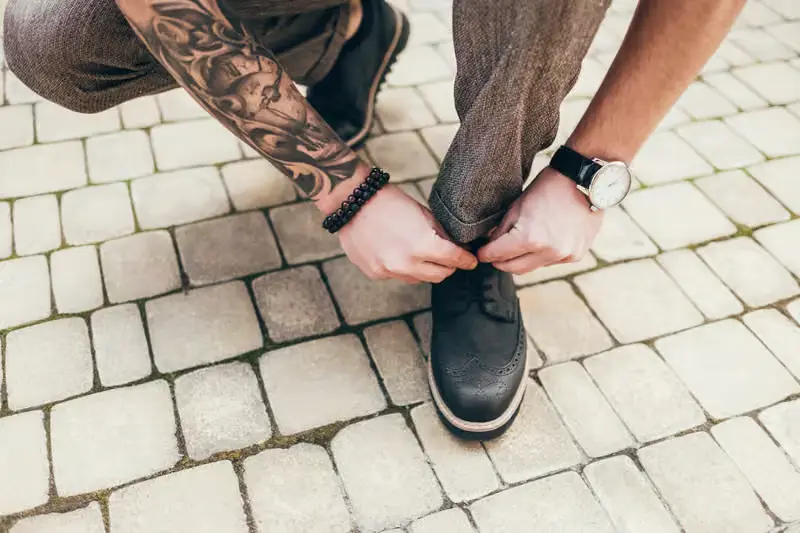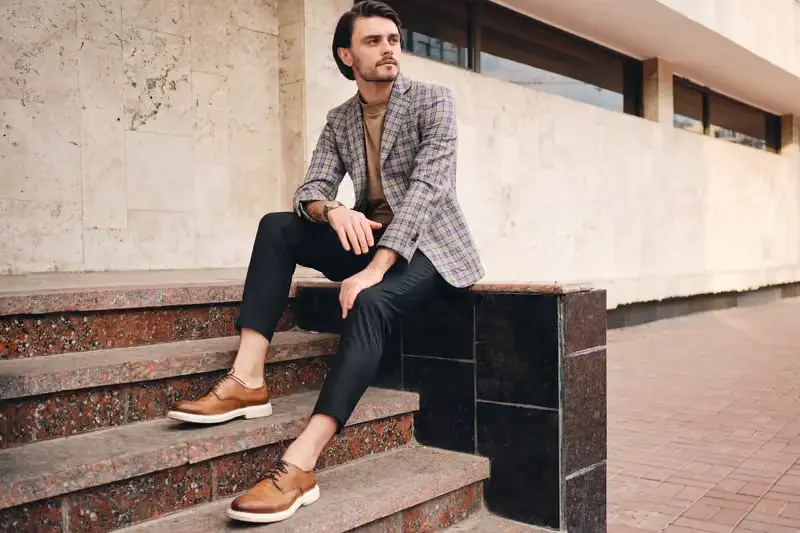
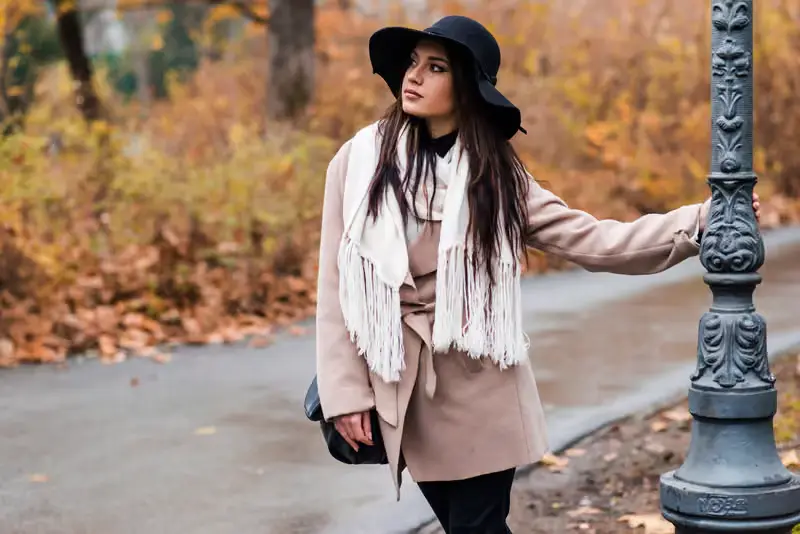
A basic outfit does not have to look ordinary. A simple shirt, pair of jeans, or neutral dress can become more interesting with the right finishing details. Clothing accessories play an important role in this transformation. They add personality, improve functionality, and create visual balance without requiring an entirely new wardrobe. Accessories include many items, from jewelry and watches to bags, belts, scarves, hats, and eyewear. Each serves a different purpose, but their combined effect can change how an outfit looks and feels. A carefully selected accessory can introduce color, highlight a particular feature, or make everyday clothing suitable for a different setting. Understanding how these items work together helps people make better styling decisions. Instead of buying more clothes, they can use accessories to create variety from pieces they already own.
Defining the Scope of Clothing Accessories
Clothing accessories are additional items worn or carried to complement an outfit. They are not usually the main garments, but they influence the overall appearance. Some accessories are primarily decorative, while others provide practical benefits. Jewelry, for example, adds visual interest and can express personal taste. Bags provide storage while contributing to an outfit’s shape and color. Belts help secure clothing and define the waist. Scarves offer warmth while introducing texture and pattern.The category also includes footwear accents, sunglasses, hats, gloves, hair accessories, and watches. Some fashion choices sit between clothing and accessories. Shoes are often treated as a separate wardrobe category, but they remain important finishing elements. The same applies to outerwear and certain wearable technology. The exact boundaries are flexible. What matters is how an item supports the outfit’s purpose and appearance.Accessories can be grouped according to their main role. Decorative pieces focus on style. Functional pieces support comfort and everyday activities. Versatile accessories combine both. A structured handbag, for instance, carries personal items while adding a polished finish. Recognizing these roles makes it easier to choose accessories that offer genuine value.
Exploring the Main Categories of Fashion Accessories
The wide range of accessories allows people to experiment with different looks. Understanding the main categories provides a useful starting point.
Wearable Details: Jewelry, Watches, and Hair Accessories
Jewelry is one of the most flexible ways to change an outfit. Earrings, necklaces, bracelets, and rings can add subtle detail or create a strong statement. Small stud earrings may complement a professional outfit, while bold earrings can make a simple dress more expressive. Necklaces also influence visual balance. A short necklace draws attention toward the neckline, while a longer design can create a vertical line.Watches combine practical use with personal style. A simple watch can make casual clothing look more refined. A decorative design may become a focal point when paired with understated garments. Hair accessories, including clips, headbands, pins, and decorative ties, add another layer of detail. They can make a hairstyle look intentional while coordinating with other accessories.The key is proportion. Large jewelry pieces often work best with simple clothing, while delicate designs suit outfits that already contain several visual details. Matching every item is unnecessary. A consistent design direction is usually more effective than wearing identical metals or colors throughout.
Functional Additions: Bags, Belts, Hats, and Eyewear
Bags are both practical and visual elements. A compact shoulder bag creates a different impression from a large everyday tote. Structured bags often look more formal, while soft designs support relaxed outfits. The size should suit the activity as well as the wearer’s proportions. Carrying an oversized bag with a very delicate outfit can create an imbalance unless the contrast is intentional.Belts can change the shape of an outfit. They define the waist, improve the fit of certain garments, and introduce contrast. A narrow belt may add a subtle finish to trousers, while a wider design can create a stronger silhouette over a dress or long shirt. Hats provide personality and can also offer protection from sunlight or cold weather. Their shape should complement the outfit rather than compete with it.Eyewear has a similar dual purpose. Sunglasses protect the eyes from sunlight while influencing the character of an outfit. Optical frames can also become a recognizable style feature. Frame shape, color, and size should work with the wearer’s features and overall clothing choices.
Finishing Elements: Scarves, Gloves, and Footwear Accents
Scarves are useful throughout changing seasons. Lightweight scarves introduce color and movement, while thicker versions provide warmth. They can be wrapped, draped, or tied in different ways. A neutral outfit offers a good opportunity to use a patterned scarf as a focal point.Gloves add practical protection in colder conditions. Their material and design can also support a polished appearance. Leather gloves often create a refined impression, while knitted versions suit relaxed winter clothing. Footwear accents include decorative socks, shoe clips, laces, and other small details. Even when they receive less attention, these elements can influence the overall coordination of an outfit.
How Accessories Change the Appearance of Basic Wardrobe Pieces
Accessories make familiar garments feel different. A plain white shirt can look professional with a structured bag, simple watch, and understated jewelry. The same shirt can become relaxed with a colorful scarf, casual belt, and everyday tote. The garment remains unchanged, but the styling creates a new impression.A basic black dress offers similar flexibility. Delicate jewelry and classic shoes create a refined look. A bold necklace and colorful bag introduce a more expressive direction. A denim outfit can also benefit from accessories. A leather belt, sunglasses, and a compact shoulder bag add structure without making the outfit complicated.This approach is useful for building a versatile wardrobe. Instead of purchasing several similar garments, people can invest in accessories that change how existing pieces appear. However, versatility depends on choosing items that work with multiple outfits. An accessory that only matches one garment may have limited practical value.A useful strategy is to identify the clothes worn most often. Then consider which accessories could create different combinations. A neutral bag, versatile belt, and small collection of jewelry can support many everyday looks. More distinctive pieces can be added gradually for occasions that call for stronger styling.
Using Accessories to Create Visual Focus and Outfit Structure
Accessories help guide attention. A statement necklace draws the eye toward the neckline. A colorful handbag creates interest around the side of an outfit. A belt highlights the waist and can make loose clothing appear more structured. These effects are valuable because they allow people to influence the visual balance of an outfit.
Creating Focal Points Without Overloading an Outfit
A focal point gives an outfit a clear center of attention. It could be a pair of distinctive earrings, a patterned scarf, or an unusual bag. The strongest approach is often to select one prominent accessory and keep the remaining details relatively simple. This prevents different elements from competing.For example, a plain outfit can support a bold necklace because the clothing provides a quiet background. If the necklace already attracts attention, large earrings and a highly decorated bag may create unnecessary visual activity. Balance does not mean avoiding creativity. It means giving each element enough space to contribute.Accessories also influence proportion. Long necklaces can create vertical movement, while wider belts emphasize horizontal lines. Small bags may suit compact silhouettes, whereas larger bags can balance relaxed or layered clothing. Considering these relationships helps create outfits that look deliberate rather than randomly assembled.
The Role of Color, Material, and Design in Outfit Transformation
Color is one of the quickest ways to change an outfit’s mood. Neutral accessories are easy to combine with different garments. Black, brown, beige, gray, and navy often provide reliable foundations. Brighter colors introduce contrast and can make simple clothing more memorable.A useful method is to build a color connection between two or three elements. A handbag might share a tone with shoes, a scarf, or a small detail in the clothing. Exact matching is not essential. Similar shades can create a coordinated appearance without looking overly planned.Material also matters. Leather, suede, metal, wood, cotton, silk, and woven fabrics create different visual effects. A leather belt may add structure to soft clothing. A textured scarf can make a plain coat more interesting. Metallic jewelry introduces shine, while natural materials create a more relaxed impression.Mixing materials can produce depth, but the combinations should have a clear direction. For example, a structured leather bag can work with a soft knitted outfit because the contrast adds definition. However, too many competing textures may make the look feel crowded. Consider the garment’s fabric, the occasion, and the overall level of detail before adding another material.
Matching Accessories With Personal Style and Everyday Needs
Personal style should guide accessory choices. Someone who prefers minimal clothing may feel most comfortable with delicate jewelry, simple bags, and understated watches. A person who enjoys expressive fashion may choose colorful scarves, distinctive eyewear, or statement pieces. Neither approach is more correct. The best accessories are those that feel natural and suit the wearer’s routine.Practical needs deserve equal attention. A person who travels frequently may benefit from a secure crossbody bag. Someone who spends long hours outdoors may prioritize sunglasses and a suitable hat. For a professional environment, functional accessories with clean designs may be more appropriate than heavily decorative pieces.Comfort should not be overlooked. Heavy earrings, restrictive belts, and bags with uncomfortable straps can reduce the enjoyment of an outfit. Materials should also suit the climate and activity. An accessory that looks attractive but remains unused because it is inconvenient is not a strong wardrobe investment.Developing a personal accessory style takes experimentation. Notice which items receive regular use and which combinations feel comfortable. Over time, these observations reveal useful patterns. They also make future purchases more intentional.
Accessory Choices for Different Occasions and Environments
The same accessory may not suit every setting. Workplace clothing often benefits from practical and restrained details. A simple watch, structured bag, and modest jewelry can create a professional appearance. The goal is to look polished without allowing accessories to distract from the overall presentation.Casual settings provide more freedom. Colorful bags, relaxed hats, layered bracelets, and patterned scarves can add personality. Social events may allow more distinctive jewelry or decorative accessories. Evening outfits can benefit from metallic finishes, elegant clutches, or statement earrings.Seasonal conditions also influence choices. Lightweight scarves and sunglasses work well in warmer weather, while gloves, knitted accessories, and heavier bags may be more useful in winter. Outdoor activities require accessories that support movement, weather protection, and convenience.Before choosing accessories, consider three factors: the environment, the activity, and the desired impression. This simple assessment prevents unnecessary purchases and helps ensure that styling decisions remain practical.
Common Styling Mistakes That Limit the Impact of Accessories
One common mistake is wearing too many statement pieces at once. When several accessories compete for attention, the outfit can lose its visual direction. Choosing one dominant item usually creates a cleaner result.Another issue is ignoring proportion. A very small bag may look out of place with an oversized layered outfit, while a large belt may overwhelm a delicate dress. Proportion is not a strict rule, but it should be considered when building a balanced look.Poor color coordination can also weaken an outfit. This does not mean every item must match. Instead, accessories should relate to the clothing through complementary shades, contrast, or a consistent design theme. Comfort is another important consideration. An accessory should support the day rather than create inconvenience.Finally, following every trend can lead to an inconsistent collection. Trend-driven pieces may lose relevance quickly. It is better to select trends that suit personal style and work with existing garments. Quality, usefulness, and versatility should remain important parts of the decision.
Building an Effective Accessory Collection Without Overspending
A useful accessory collection does not need to be large. It needs to support different outfits and everyday activities. Start with versatile essentials. These may include a practical bag, a simple belt, comfortable sunglasses, a reliable watch, and a few pieces of jewelry. Choose colors and designs that work with the clothes already in the wardrobe.Once these foundations are in place, introduce distinctive items gradually. A patterned scarf, colorful handbag, or statement necklace can create new styling opportunities. Before purchasing anything, consider how many existing outfits it can complement. This helps prevent impulse buying.Quality should be assessed according to use. An everyday bag needs durable construction and comfortable straps. Frequently worn jewelry should have secure fastenings and materials that suit the wearer. Occasional statement pieces may not require the same level of investment as daily essentials.Care also affects long-term value. Store jewelry carefully, protect bags from moisture, clean eyewear properly, and follow material-specific care instructions. Regular maintenance keeps accessories presentable and extends their useful life.A simple wardrobe review can help identify gaps. Separate frequently used items from accessories that remain untouched. Consider why certain pieces are neglected. They may be uncomfortable, difficult to coordinate, or unsuitable for daily needs. Use these observations to make more thoughtful choices in the future.
Conclusion
Clothing accessories do much more than decorate an outfit. They add function, create visual balance, express personality, and help familiar garments feel fresh. Jewelry, bags, belts, scarves, hats, watches, and eyewear each offer different styling opportunities. Their impact depends on thoughtful selection rather than quantity. By considering color, material, proportion, comfort, and occasion, anyone can create more complete outfits from a practical wardrobe. The most effective approach is to begin with versatile essentials and introduce distinctive pieces that reflect personal taste. When chosen with purpose, accessories make everyday dressing more creative, flexible, and enjoyable.