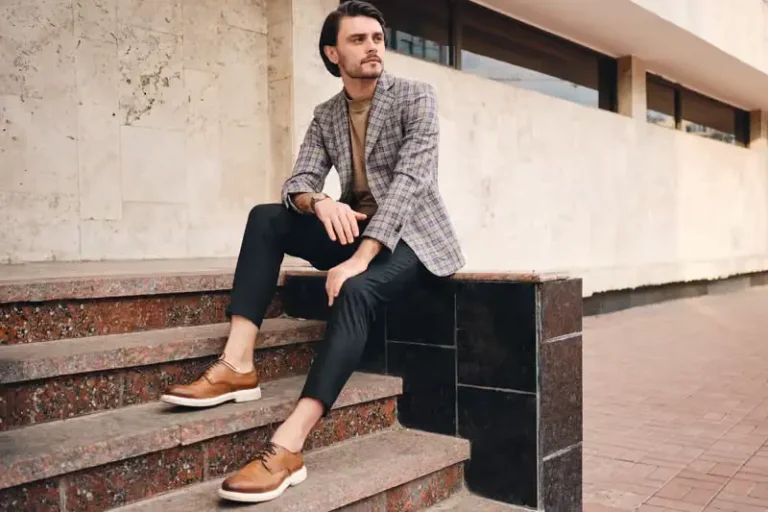
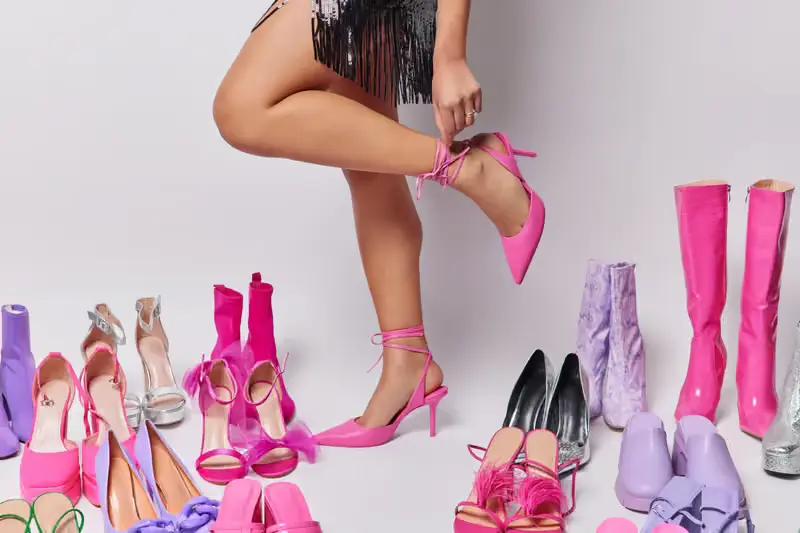
Shoe trends in 2026 reflect a closer relationship between luxury fashion and everyday street style. Designers are revisiting classic silhouettes while introducing unexpected details, modern materials, and more experimental proportions. At the same time, streetwear continues to influence how people interpret high-fashion footwear. The result is a season where elegant pumps, athletic-inspired flats, decorative sneakers, and statement boots can all belong in the same wardrobe.The most interesting development is not simply the return of older styles. It is the way familiar designs are being adapted for contemporary lifestyles. Traditional shoes are gaining new shapes, while casual footwear is receiving more refined finishes. Consumers are also becoming more selective. They want shoes that express personal style without sacrificing comfort, versatility, or durability.Understanding the shoe trends 2026 runway street movement requires looking beyond individual products. It involves recognizing how designers, stylists, brands, and consumers influence one another. These connections explain why certain runway details quickly appear in everyday outfits and why street-style preferences increasingly shape luxury collections.
Luxury Runways Are Rewriting the Rules of Classic Footwear
Luxury footwear in 2026 combines recognizable shapes with noticeable design changes. Rather than abandoning traditional shoes, designers are adjusting their proportions and adding details that make them feel current. This approach allows classic footwear to remain relevant while giving consumers something visually distinctive.One important direction is the balance between elegance and experimentation. Pumps, decorative flats, and structured shoes are returning with unusual toe shapes, contrasting materials, and distinctive heel designs. These details create interest without making every shoe difficult to style.Luxury collections are also placing greater emphasis on construction. The shape of the upper, the position of the heel, and the way materials meet can influence the entire appearance of a shoe. Even a small adjustment can make a familiar silhouette feel modern. This focus on design gives consumers more options than simply choosing between minimalist and extravagant footwear.
High-Vamp Pumps and Dramatic Pointed Toes
High-vamp pumps are attracting attention because they offer a more covered and structured alternative to conventional low-cut styles. The upper extends farther across the foot, creating a distinctive profile. This design can make an outfit look polished without relying on excessive decoration.Pointed toes remain another important feature. Their elongated shape creates a refined appearance and works particularly well with tailored trousers, pencil skirts, and structured dresses. In 2026, pointed-toe designs are appearing in different proportions, from subtle narrow shapes to more dramatic profiles.However, these shoes require careful selection. An extremely pointed toe may look striking but can feel restrictive during extended wear. Consumers should consider toe-box construction, heel height, and material flexibility before purchasing. A well-designed pair should provide enough room for natural movement while maintaining its intended shape.For everyday styling, high-vamp pumps work with cropped trousers, midi skirts, and understated dresses. Their strong silhouette often means that the rest of the outfit can remain simple.
Two-Tone Designs and Decorative Classics
Two-tone footwear gives traditional designs a fresh visual identity. Contrasting toe caps, colored edges, and different material combinations create definition without requiring complicated embellishments. These shoes can introduce color into neutral wardrobes while remaining relatively easy to coordinate.Decorative classics are also gaining attention. Bows, buckles, delicate straps, and polished hardware are appearing on familiar silhouettes. The important distinction is that decoration is being used to improve the character of a shoe rather than overwhelm its structure.These details make classic footwear more adaptable. A two-tone flat can work in a professional setting, while a decorative pump can provide a subtle focal point for evening clothing. The best approach is to choose one noticeable design feature and allow it to stand out.
Street-Style Favorites Turning Into Major Fashion Statements
Street style has become an important source of direction for luxury footwear. Consumers are no longer waiting for designers to decide which shoes deserve attention. Everyday outfits, social media communities, and independent fashion labels help establish trends before they become widely recognized.This influence can be seen in the growing acceptance of practical footwear as a fashion statement. Chunky shoes, streamlined sneakers, soft flats, and unusual combinations are being styled with clothing that was traditionally associated with formal fashion. The boundaries between casual and polished dressing are becoming less rigid.Street-style fashion also encourages individuality. Two people can wear the same shoe in completely different ways. One might combine a slim sneaker with tailored trousers, while another pairs it with a flowing skirt. This flexibility makes contemporary footwear trends more accessible.Another important factor is repeat wear. Consumers increasingly value shoes that can move between different activities. A stylish design has limited practical value if it only works with one outfit. This is why versatile street-style favorites continue to influence luxury collections.
The Rise of Hybrid Footwear and Unexpected Design Combinations
Hybrid footwear is one of the clearest expressions of changing fashion preferences in 2026. These designs combine features from different shoe categories to create something that feels familiar but visually new. Athletic construction may appear in ballet-inspired shoes, while formal details can be added to casual sneakers.The popularity of hybrid designs reflects a practical challenge for modern wardrobes. People want footwear that looks distinctive but can support busy schedules. They may need a shoe that works for commuting, social activities, and relaxed occasions without requiring several changes throughout the day.However, hybrid footwear is not automatically comfortable or versatile. A design that combines several visual ideas can become difficult to coordinate. Consumers should consider whether the construction supports its intended purpose and whether the shoe fits their regular clothing choices.
Ballet Sneakers and Slim Athletic Profiles
Ballet sneakers combine the delicate appearance of ballet flats with the structure and details of athletic footwear. Their low profiles, slim shapes, and flexible construction create an alternative to bulky trainers. Some designs include elastic straps, delicate laces, or rounded toes that reinforce their ballet-inspired appearance.These shoes work particularly well with wide-leg trousers, straight jeans, casual skirts, and relaxed dresses. Their narrow proportions can balance oversized clothing without making an outfit look heavy.Slim athletic profiles are also gaining attention because they provide a different direction from oversized sneaker designs. Their lightweight appearance makes them suitable for minimal outfits and contemporary casual styling.When choosing ballet sneakers, consumers should look beyond their appearance. Cushioning, grip, arch support, and material quality matter. Some fashion-led designs may be better suited to short outings than extended walking. Checking these features helps prevent a trend-focused purchase from becoming an uncomfortable wardrobe addition.
Sport-Inspired Details in Luxury Shoes
Sport-inspired elements are moving beyond conventional trainers. Luxury footwear is incorporating technical-looking soles, mesh panels, adjustable fastenings, and athletic-inspired shapes. These details create contrast when paired with refined materials or traditional silhouettes.This combination works because it challenges expectations. A sporty sole beneath a more elegant upper can make a shoe feel modern without losing its polished character. Similarly, technical fabrics can add visual interest to otherwise simple designs.The styling opportunity lies in contrast. Sport-inspired shoes can be paired with tailored clothing, while refined footwear can bring balance to relaxed streetwear. The most successful combinations feel intentional rather than random.Consumers should also evaluate whether technical details offer genuine functional benefits. Breathable panels, supportive soles, and secure fastenings can improve everyday performance. Decorative features alone should not be confused with practical construction.
Bold Prints, Rich Colors, and Texture-Led Footwear
Color and texture are playing a larger role in defining footwear trends in 2026. While neutral shoes remain useful, designers are exploring stronger shades, expressive patterns, and materials that create visual depth. This gives consumers more ways to make footwear the central feature of an outfit.Jewel tones are particularly effective for adding richness. Deep burgundy, emerald, sapphire, and other saturated shades can make simple silhouettes appear more distinctive. These colors work with black, cream, gray, and other understated wardrobe staples.Animal-inspired patterns and printed finishes are also contributing to more expressive collections. Leopard-style details, graphic patterns, and unusual surface treatments can turn basic flats or boots into statement pieces. However, bold prints are easier to wear when the rest of the outfit uses simpler colors and shapes.Texture is equally important. Satin, suede, woven surfaces, polished leather, and soft mesh create different visual effects. A textured shoe can make an outfit feel more considered even when its color remains neutral.Material selection should involve more than appearance. Satin and delicate fabrics may require careful handling, while suede can be vulnerable to moisture and staining. Consumers should consider local weather, maintenance requirements, and expected frequency of use before choosing statement footwear.A practical strategy is to build around one expressive pair. Instead of purchasing several shoes with competing patterns, choose a design that complements existing clothing. This creates more styling opportunities and reduces the risk of buying something that quickly feels outdated.
Boots, Flats, and Seasonal Styles Gaining Attention
Boots and flats remain essential categories because they offer different solutions for changing weather and daily routines. In 2026, both are receiving updated proportions and decorative details.Western-inspired boots continue to influence contemporary styling. Their distinctive stitching, pointed toes, and structured shafts can add character to denim, dresses, and skirts. They are no longer limited to traditional Western outfits. Modern styling often combines them with minimalist clothing to create a more balanced appearance.Thigh-high boots provide a stronger statement. They can work with shorter hemlines, oversized knitwear, and fitted outerwear. However, proportion is important. The length and shape of the boot should complement the outfit rather than compete with it.Flats are also receiving more attention. Printed designs, T-straps, decorative buckles, and delicate shapes give them a stronger fashion identity. They offer an alternative to heels for consumers who prefer lower footwear but still want a polished look.Seasonal decisions should influence purchasing choices. Breathable materials and lightweight construction are useful in warmer months, while weather-resistant finishes and secure soles become more important in colder conditions. A fashionable shoe should suit the environment in which it will be worn.Consumers should also consider how often a particular style will be useful. A distinctive seasonal boot may be worth buying if it complements several outfits. A highly specific design may offer less value if it only works for one occasion.
How Luxury Designers and Streetwear Brands Influence Each Other
The relationship between luxury designers and streetwear brands is no longer one-directional. Luxury labels influence everyday fashion through silhouettes, materials, and craftsmanship. Streetwear brands respond with practical designs, cultural references, and styling ideas that appeal to wider audiences.This exchange has changed how footwear trends develop. A design detail can appear in independent fashion communities, gain attention through street photography, and eventually influence luxury collections. In other cases, a runway design becomes popular after consumers adapt it to everyday clothing.Social media accelerates this process. Short videos, outfit photographs, and creator recommendations allow footwear trends to reach international audiences quickly. However, visibility does not always indicate lasting demand. A shoe may become popular online because it photographs well, even if its construction or comfort does not support regular use.Brands therefore face a difficult challenge. They must respond to cultural trends while maintaining a recognizable design identity. Producing every popular style can weaken a brand’s direction. A more effective approach is to identify which elements fit its audience and adapt them thoughtfully.Consumers can apply the same principle. Instead of copying complete runway or influencer outfits, they can select individual details that match their lifestyle. This might mean choosing a particular color, toe shape, or material rather than purchasing an entirely new wardrobe.
Choosing the Right 2026 Footwear Trends for Personal Style
Following trends does not require replacing every pair of shoes. A more effective wardrobe strategy begins with understanding personal needs. Consumers should consider their daily activities, preferred clothing silhouettes, climate, and comfort requirements before making purchases.The first step is to identify existing wardrobe gaps. Someone who regularly wears tailored trousers may benefit from pointed pumps or refined flats. A person who prefers relaxed clothing might find slim sneakers or hybrid designs more useful. This approach connects fashion choices to real dressing habits.The second step is to evaluate versatility. A shoe that works with several outfits usually provides better long-term value than one designed for a single look. Neutral colors can offer flexibility, while a statement pair can introduce personality. A balanced collection includes both.Quality should also influence decisions. Check the stitching, sole attachment, lining, fastening system, and overall material finish. Shoes that look attractive but have weak construction may lose their shape quickly. Fit should be assessed carefully, especially when purchasing narrow or highly structured designs.Comfort deserves equal attention. Heel height, cushioning, flexibility, and stability affect how a shoe performs throughout the day. A trend should never become a reason to ignore foot health or persistent discomfort. If a design feels unsuitable during fitting, it is unlikely to become more comfortable through repeated wear.Budget planning can make trend adoption more sustainable. Consumers can invest in well-constructed everyday shoes and choose less expensive options for short-lived experimental styles. This creates room for fashion exploration without unnecessary spending.Finally, personal style should remain the deciding factor. Trends are useful sources of inspiration, not rules that everyone must follow. The strongest footwear choices reflect individual preferences while incorporating selected elements from current fashion.
Conclusion
The defining shoe trends of 2026 show how closely luxury design and street style now influence each other. High-vamp pumps, pointed toes, two-tone classics, ballet sneakers, sport-inspired details, expressive prints, and updated boots all reflect a more flexible approach to footwear. The most important shift is the combination of visual identity with everyday practicality. Consumers are looking for shoes that feel distinctive but remain useful beyond a single occasion. By understanding how these trends work, evaluating construction, and choosing designs that complement existing wardrobes, fashion enthusiasts can adopt the shoe trends 2026 runway street movement with greater confidence.